jack
jack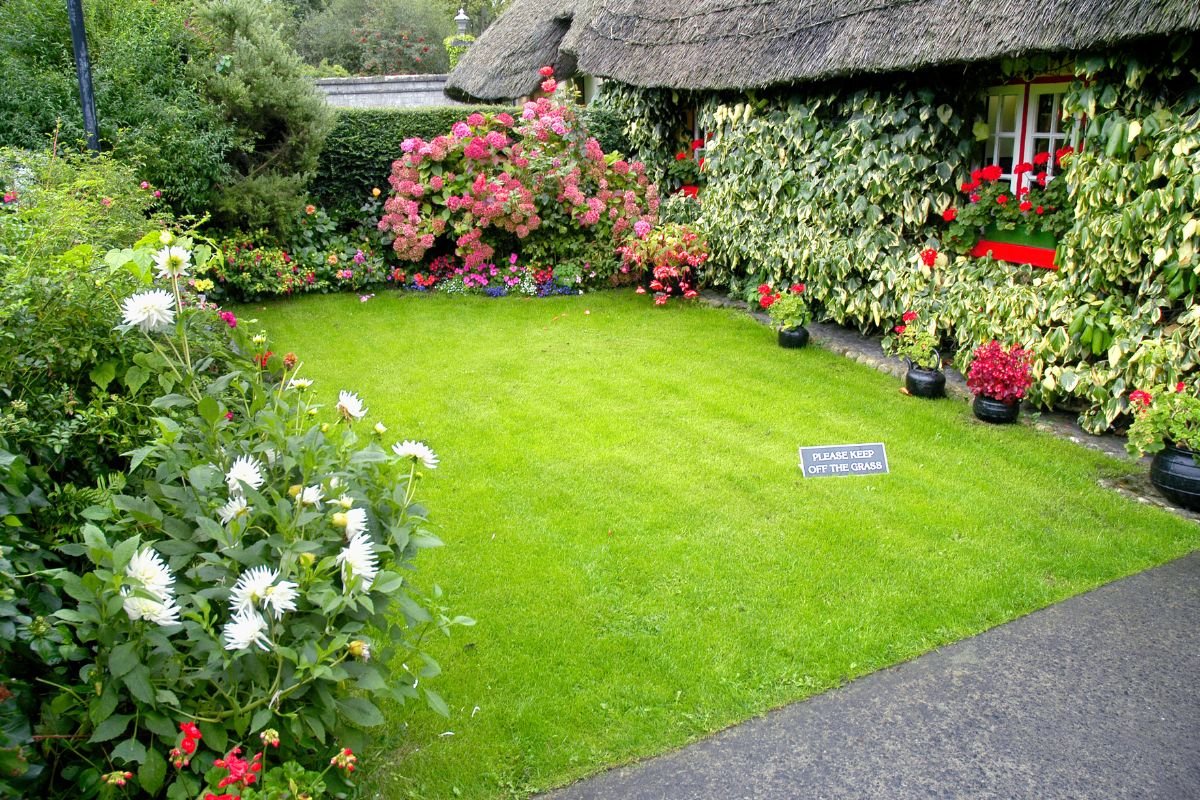
A successful garden often comes down to making sensible choices from the start.
When you focus on plants that suit your conditions and avoid features that demand constant attention, you can create an attractive garden that fits around a busy lifestyle.
A low-maintenance garden does not mean settling for a dull space. With a little planning, you can enjoy colour and seasonal interest without filling every weekend with jobs that never seem to end.
Many of the most visually appealing gardens are based on simplicity and balance, rather than constant upkeep or complicated planting schemes.
By prioritising ease and longevity, you can create a space that stays rewarding throughout the year.
Start Small
One of the most common mistakes beginners make is taking on too much at once.
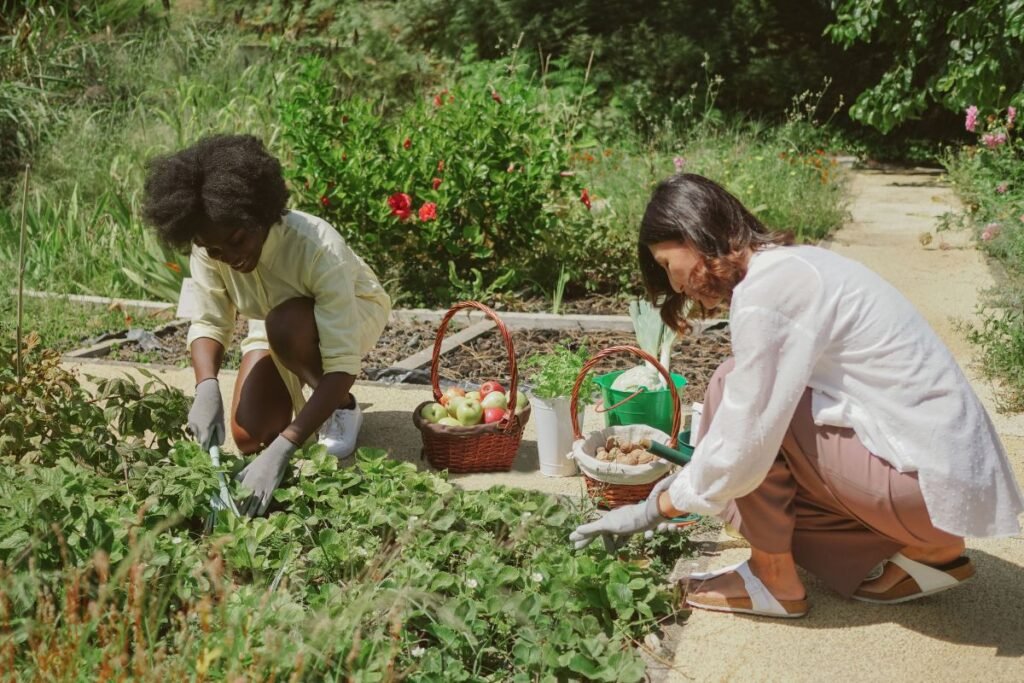
A smaller project allows you to learn how your garden behaves throughout the year and gives you time to build confidence. Focus on a single border or a modest planting area near your patio.
This approach makes watering and monitoring plant health far more manageable. If a plant struggles, you can identify the cause more easily than if you have dozens of beds demanding attention at the same time.
Starting small also helps you understand the microclimates within your garden, such as areas that receive more wind, shade, or sun. These subtle differences can have a big impact on plant success.
By observing how conditions change over seasons, you will make more informed choices when expanding your space later on.
Choose Plants That Practically Look After Themselves
Hardy perennials and reliable shrubs often provide the best return for your effort because they come back year after year. Lavender and hardy geraniums cope well with dry spells once established.
Evergreen shrubs such as choisya keep structure in the garden through winter with minimal maintenance.
Choosing plants that suit your soil and sunlight conditions reduces the need for extra watering and feeding.
Look for the plants which have been labelled as ‘low maintenance’ at garden centres, as these have been selected specifically for resilience.
Native plants are also another option you could consider, as they are naturally adapted to local conditions and often require less care.
Mixing a few long-flowering varieties into your borders will also ensure colour lasts longer without the need for constant replanting.
Work Smarter with Bulbs and Seasonal Planting
Bulbs provide a simple way to introduce colour while limiting the work needed. Once planted, wide varieties return each year and brighten borders before summer flowers appear.
Daffodils work particularly well because they naturalise over time and often produce larger displays with little intervention.
Meanwhile, tulips are a beautiful option for adding bold spring colour to beds and containers. Planting bulbs in groups creates a fuller display and helps the garden look more established.
For even less effort, consider layering bulbs in containers, a technique sometimes called ‘lasagne planting’.
This involves placing different bulbs at varying depths so they flower in succession, giving you a longer-lasting display with a single planting session.
Combining early, mid, and late bloomers ensures your garden continues to evolve and look its best throughout all the seasons, without too much additional work.
Ditch High-Maintenance Features
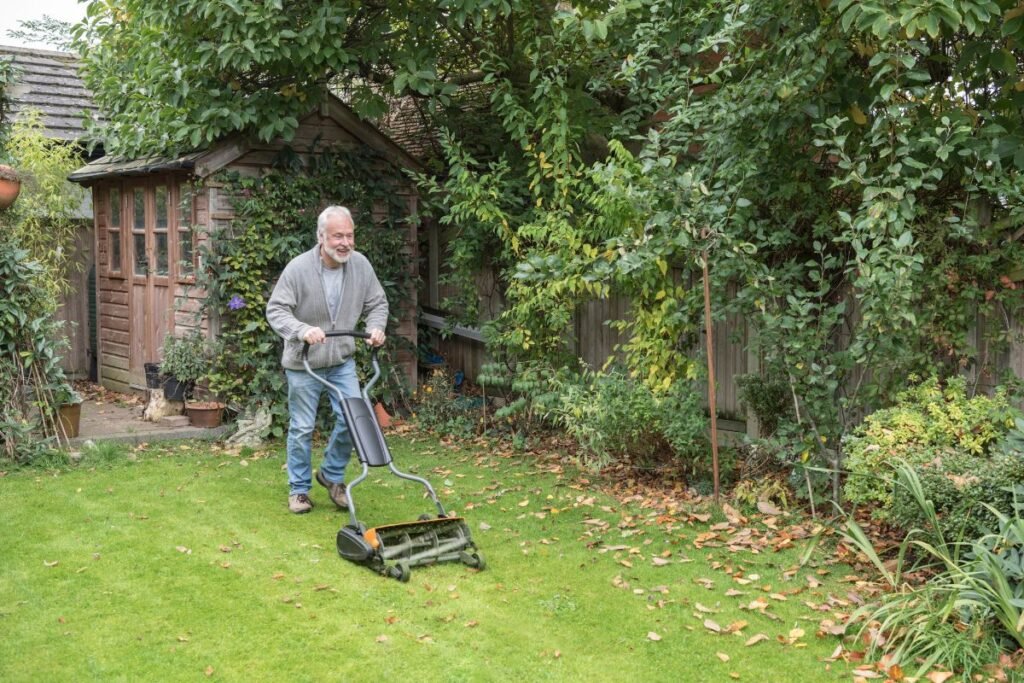
Large lawns need regular mowing, while extensive bedding displays often require frequent watering and replanting. Replacing part of a lawn with gravel or paving can reduce maintenance significantly.
A layer of mulch around plants also helps the soil retain moisture and limits weed growth. Before adding any new feature, consider how much time it will require throughout the year.
That simple habit can save hours of work later and help you create a garden that remains enjoyable.
You could also consider incorporating raised beds or clearly defined borders, which make weeding and general upkeep a lot more straightforward.
Automated watering systems such as a simple drip hose, can further reduce your workload and become particularly useful in summer.
It’s these kinds of small adjustments that can make a noticeable difference in how much time you spend maintaining your garden.
A Garden That Fits Your Life
The best beginner garden is one that encourages you to step outside and enjoy the space without feeling overwhelmed by a growing list of chores.
As your confidence develops, you can always add new features and experiment with different plants.
By creating a garden that works with your schedule, you give yourself the freedom to spend more time outdoors and build a lasting connection with your garden at your own pace.
Ultimately, gardening should feel rewarding rather than demanding. By keeping things simple at the start and building gradually, you create a space that evolves naturally alongside your skills and preferences.
Over time, even a low-maintenance garden, when done strategically, can become a rich and inviting environment that reflects your personal style without ever feeling like hard work.