jack
jack
Frizz is one of the most common hair concerns — especially in humid climates or during seasonal changes.
While many people assume frizz is simply a hair-type issue, the truth is that it often comes from small daily habits that unknowingly damage the hair cuticle.
The good news? Most causes of frizz can be managed with the right routine, gentle handling, and consistent nourishment.
This article breaks down the five most common mistakes that make hair frizzier and explains how simple adjustments — including the smart use of hair oil for frizzy hair — can help restore smoothness and shine without sounding like a sales pitch.
5 Hair Care Mistakes That Make Your Hair Frizzy
1. Using Harsh or Over-Cleansing Products
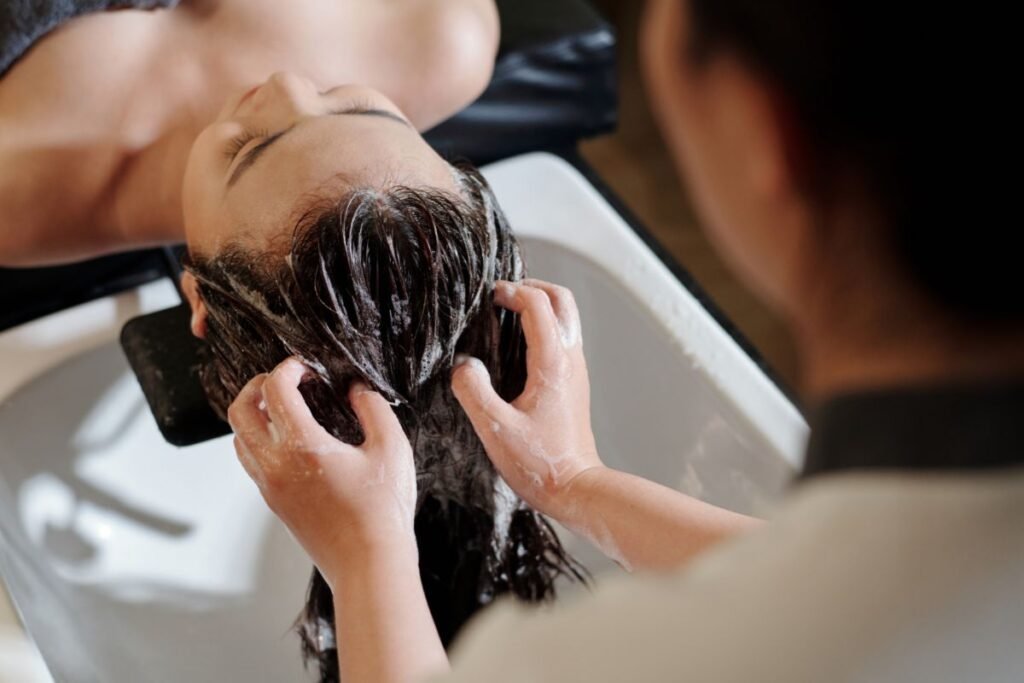
Your shampoo and conditioner play a major role in how your hair behaves. When you use formulas that strip too much moisture, the cuticle lifts and becomes more prone to frizz.
How This Leads to Frizz
- Removes natural oils that protect the hair shaft.
- Makes hair porous, causing it to absorb humidity.
- Leaves strands feeling rough instead of smooth.
What to Do Instead
- Opt for hydrating shampoos with gentle cleansing ingredients.
- Use conditioners that add slip and soften the cuticle.
- Avoid washing your hair every day unless necessary.
2. Rough Towel-Drying
Most people towel-dry their hair too aggressively. Friction is one of the fastest ways to disrupt the hair cuticle, leading to frizz.
How This Leads to Frizz
- Creates micro-friction that roughens the surface.
- Draws out moisture too quickly.
- Encourages breakage and split ends.
Better Technique
- Use a microfiber towel or cotton T-shirt.
- Gently squeeze your wet hair instead of rubbing.
- Let your hair partially air-dry before brushing or styling.
3. Heat Styling Without Protection
Heat tools aren’t the enemy, but unprotected heat exposure can cause severe dryness and frizz. High temperatures weaken the hair structure, removing moisture from within.
How This Leads to Frizz
- Damaged cuticles lift and fray.
- Hair becomes brittle and easily puffs up in humidity.
- Creates split ends that appear as frizz.
How to Protect Your Hair
- Always apply a heat protectant.
- Lower the temperature instead of using the highest setting.
- Give hair regular breaks from heat styling.
4. Skipping Hair Nourishment and Oils
One of the biggest contributors to frizz is a lack of moisture and sealing. When the hair isn’t properly nourished, it becomes porous and absorbs water from the environment.
Why Using Hair Oils Helps
Hair oils have been used for centuries to smooth, protect, and soften hair, not because they are trendy, but because they work with the hair’s natural structure. When used correctly:
- They create a light barrier that keeps moisture inside the strand.
- They reduce frizz by helping flatten the cuticle.
- They add natural shine without making hair look greasy.
- They protect hair from humidity by minimizing swelling.
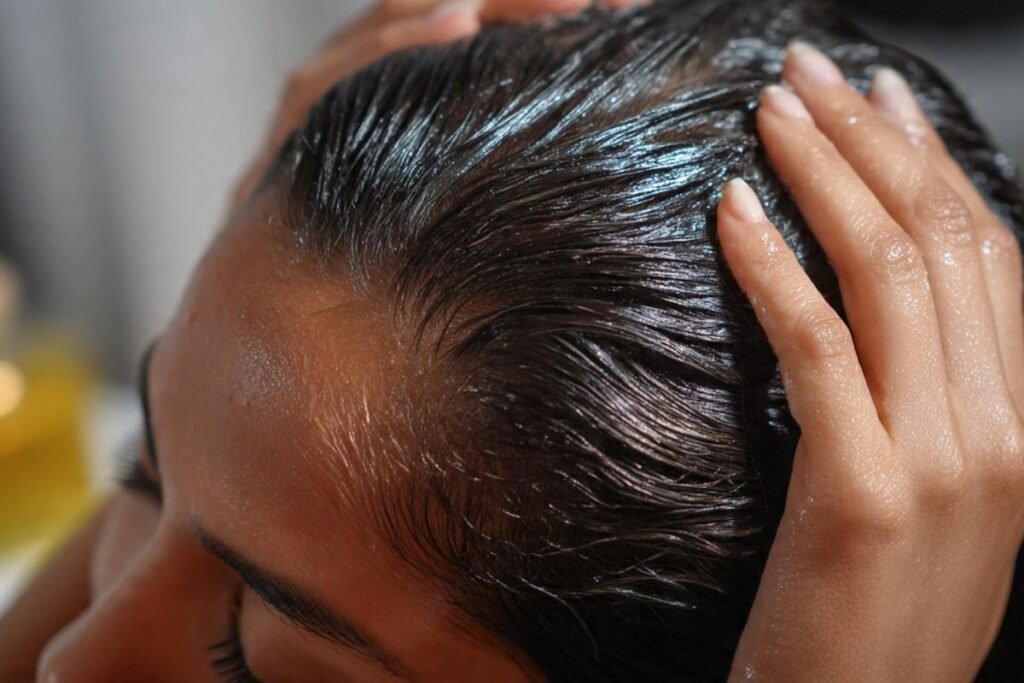
A lightweight hair oil can be incredibly helpful, especially when applied sparingly to the mid-lengths and ends. It’s simply a universally effective technique that suits most hair types.
Hair oils act as an external lipid layer that coats the cuticle and reduces moisture loss.
Scientifically, Oils Help By:
- Filling in microscopic gaps along the cuticle
- Reducing friction between strands
- Preventing excess water absorption from the environment
- Enhancing shine by creating a smoother surface
How to Use Oils in Hair Correctly?
- Apply it on damp or dry hair, depending on your preference.
- Focus on the ends where frizz starts.
- Start with a very small amount and add more if needed.
5. Brushing Dry Hair Too Often
Brushing dry hair can cause friction, breakage, and frizz — especially for wavy and curly textures.
How This Leads to Frizz
- Breaks up natural curl clumps.
- Causes static, making hair lift away from the scalp.
- Creates an uneven, puffy texture.
Try This Better Approach
- Detangle when the hair is damp with conditioner or leave-in.
- Use wide-tooth combs or gentle detangling brushes.
- Finger-detangle when possible.
Useful Tips to Keep Hair Frizz Away
1. Hydrate Your Hair Strands Consistently
Hydrated hair is smoother, shinier, and more resistant to humidity.
2. Seal Your Hair Cuticles
Conditioners, serums, and oils all help form a protective layer around the hair.
3. Trim Your Hair Regularly
Split ends worsen frizz and dullness.
4. Avoid Over-Manipulation
The less you tug and pull at your hair, the healthier and smoother it looks.
Ideal Routine for Frizz-Prone Hair
A consistent, step-by-step hair care routine can significantly reduce frizz, improve manageability, and enhance natural shine.
Following these steps helps maintain a smooth cuticle and keeps hair looking healthy.
- Cleanse Gently: Use a gentle, sulfate-free shampoo that cleanses without stripping essential oils. Massage the scalp to remove buildup while leaving hair nourished.
- Condition Thoroughly: Apply a conditioner from mid-lengths to ends. This smooths the hair cuticle, detangles strands, and locks in moisture, reducing frizz.
- Apply a Leave-In: Use a lightweight leave-in conditioner or serum to provide extra hydration and slip. This helps detangle hair easily and forms a protective layer against environmental moisture.
- Use Hair Oil: Apply a small amount of hair oil to the mid-lengths and ends. Hair oils help seal the cuticle, reduce frizz, and add natural shine without weighing hair down. Especially helpful in humid climates.
- Air-Dry Whenever Possible: Allow hair to air-dry partially or fully to minimize heat damage. If using a blow dryer, choose a low-heat setting and diffuse airflow to prevent cuticle cracking and frizz.
Smoother, Shinier Hair Starts With Small Changes
Frizz is manageable once you understand what causes it. By avoiding these common mistakes and incorporating gentle nourishment, including the simple, timeless practice of using lightweight hair oil (like from Nourwish), you can keep your hair smoother, softer, and naturally shinier.