jack
jack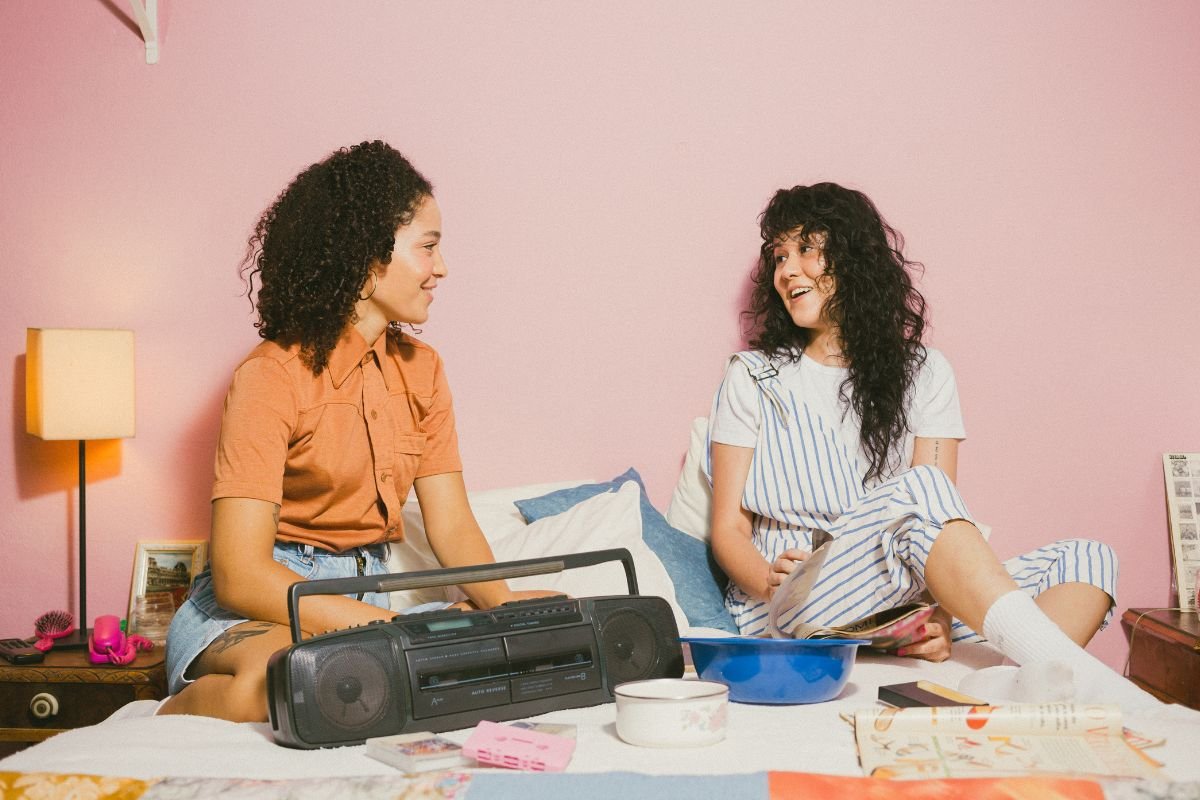
Nostalgia has a funny way of ambushing you. You’re halfway through your day, minding your own business, when a stray tune or a familiar smell yanks you straight back to a version of yourself you haven’t visited in years.
Slipping into your thoughts like an old friend who doesn’t need to knock. But that tiny emotional tremor carries a surprising weight.
The Brain Doesn’t Forget What Made You Feel Safe
Memory is a caretaker of sorts. It tidies up your past and brightens the bits that meant something. And when nostalgia hits, you’re remembering these feelings.

Your brain keeps an archive of every moment that helped you feel protected, and when life becomes noisy or uncertain, it quietly selects one of those memories and hands it back to you like a soft blanket.
There’s a biological rhythm to this. Emotional memories live differently in the mind, are stored with a little more colour, because they once helped you survive something, even if that something was just the awkwardness of growing up.
So those flashes of the past don’t arrive because you’re stuck; they arrive because your mind knows you need a familiar foothold.
People sometimes treat nostalgia as a refusal to move forward, but the opposite is true. You reach for the past because it’s the place where your nervous system remembers how to breathe. And when adulthood gets messy, those old feelings return to lend you their steadiness.
Familiarity Gives You A Shortcut To Meaning
Nostalgia works because it reconnects you with the version of you that felt most like you.
It might be the soundtrack of your teenage bedroom, worn-out trainers from your first adventure, or the scent of a specific candle.
These tiny sensory taps bring you back to moments when life felt more curious, more expansive.
Familiarity does half the emotional labour for you. The memory arrives pre-loaded with meaning, like a shortcut back to your inner compass.
You remember who you were becoming, not just who you were. That’s why people rewatch shows from their school years, return to old hobbies!
They’re not reaching backwards; they’re reaching inward, for a little pause. And the funny thing is, those pauses matter.
They give you enough distance from the rush of daily life to notice what you’ve been missing. Sometimes it’s a sense of play.
Sometimes it’s the steadiness you used to feel before everything became urgent. Nostalgia hands you that perspective without ceremony.
It widens the frame a little, reminding you that the truest parts of yourself have never really gone anywhere; they’ve just been waiting for you to slow down long enough to hear them again.
Nostalgia Acts Like Social Glue
Some memories feel private, but the ones that hit the hardest are often the ones you share with other people.
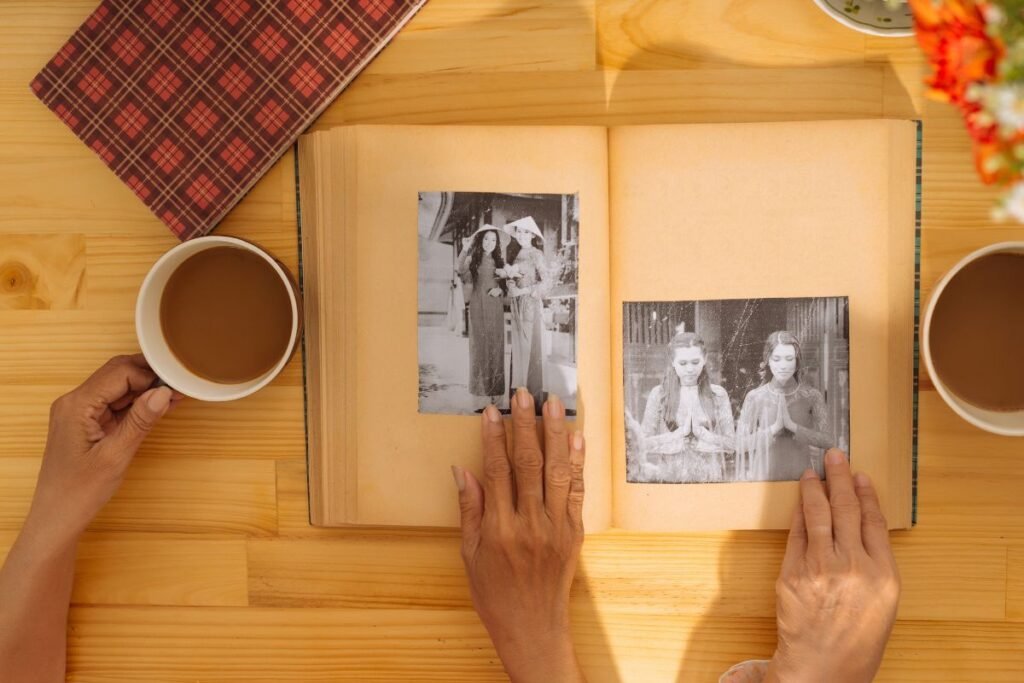
There’s something comforting about realising someone else remembers the exact same things you do — the same school-disco songs, the same daft trends, the same holiday rituals.
You don’t need to explain; they just get it. That’s why nostalgia shows up so often in friendships. You laugh about old hairstyles or questionable fashion choices because you both lived through them.
Shared nostalgia offers depth without effort. It gives people a starting point, a way to say, “We built something together once.”
And even if your lives look completely different now, those memories act like a gentle thread, tugging you back into a soft sense of belonging. The past becomes a language only the two of you still speak.
The Past Helps You Rehearse The Future
What is often painted as a backward glance is surprisingly forward-facing. When you revisit old moments, you’re checking in with the parts of yourself you’ve grown from and what still matters.
You can nudge nostalgia into waking up, but it works best when you’re not forcing it. Little sensory cues help — an old playlist of classic songs you used to listen to, a familiar walk through your childhood neighbourhood, the scent of your favourite chai tea drifting through the room.
Tiny anchors and emotional shortcuts, pulling old feelings to the surface without you having to dig for them.
What makes it powerful is the spontaneity, and you’re simply opening the door for one to wander back in when it’s ready.
Think about the memories you return to the most. They usually revolve around times you felt brave, creative, cared for, or entirely yourself. Your mind doesn’t feed you those scenes for comfort alone.
It offers them as a reminder: you’ve handled big things before, and you’ll handle them again. It keeps you from drifting too far from your values.
It nudges you toward choices that feel aligned with the person you’re trying to become. Because sometimes, the quickest way to understand your next step is to remember the ground you used to stand on.