jack
jack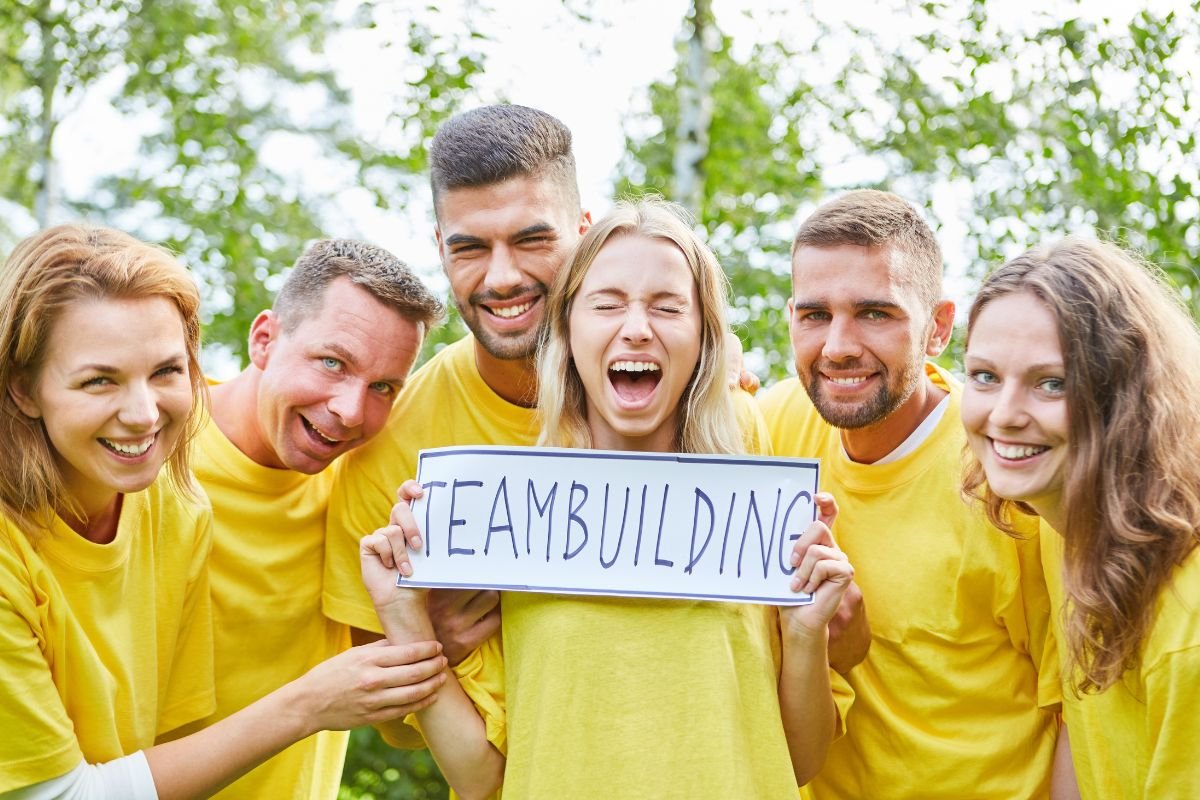
A successful team building event is about much more than whether people enjoyed themselves.
While laughter, enthusiasm and positive feedback are certainly encouraging, they don’t necessarily tell the whole story.
The real value of team building lies in what happens after everyone returns to work. Has communication improved?
Are colleagues collaborating more effectively? Has the experience made a lasting difference?
These are the questions organisations should be asking when evaluating the success of any team building activity.
Measuring outcomes doesn’t require complicated systems or lengthy reports, but it does involve looking beyond the event itself and considering its longer-term impact on the workplace.
Many organisations partner with external specialists such as The Big Smoke Events because they want activities that deliver meaningful business benefits alongside an enjoyable experience.
Measuring those benefits helps ensure future events continue supporting employee engagement, communication and workplace culture.
Start with Clear Objectives
The first step in measuring success actually begins before the event takes place.
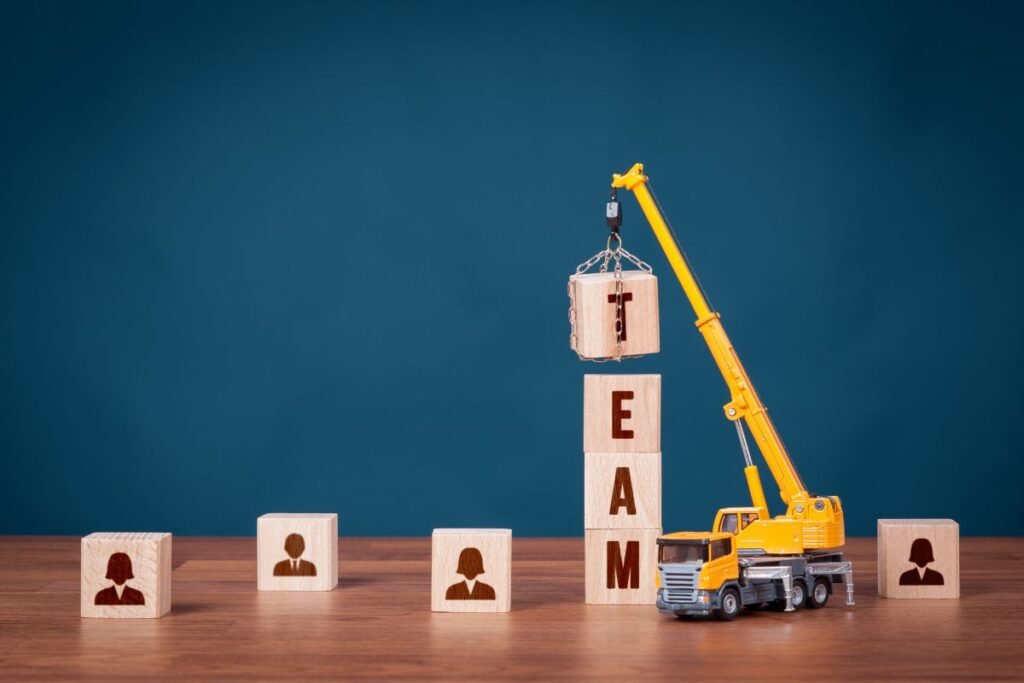
Without clear objectives, it becomes almost impossible to determine whether an activity has achieved its purpose.
Different organisations have different priorities. One business may want to improve communication between departments, while another hopes to welcome new employees, strengthen leadership skills or simply boost morale after a demanding period.
Defining these goals beforehand provides something meaningful to measure afterwards.
Don’t Judge Success on the Day Alone
It is easy to assume an event was successful because everyone appeared to enjoy it.
Positive energy is valuable, but excitement immediately after an activity doesn’t always translate into lasting improvements.
Instead, organisations should observe what happens over the following weeks and months.
Do employees continue discussing the experience?
Are people collaborating with colleagues they previously had little contact with?
Has communication become more open?
These longer-term indicators often reveal much more than immediate reactions.
Useful Ways to Measure Success
Businesses can assess team building by looking at several areas, including:
- Employee feedback.
- Participation levels.
- Communication between teams.
- Cross-department collaboration.
- Staff morale.
- Confidence among new employees.
- Informal observations from managers.
Looking at several indicators together usually provides a more balanced picture than relying on a single measure.
Ask the Right Questions
Collecting feedback is one of the simplest ways to evaluate an event, but the quality of the questions matters.
Rather than asking only whether employees enjoyed themselves, consider questions that explore what they gained from the experience.
For example:
- Did you get to know colleagues better?
- Has the event changed how you work with your team?
- Which activity was most valuable?
- What would improve future events?
These responses often provide useful insights for future planning.
Observe Workplace Behaviour
Some of the most valuable indicators cannot be measured through questionnaires alone.
Managers and team leaders are often well placed to observe changes in workplace behaviour.
Perhaps colleagues who rarely interacted before are now collaborating more naturally. Maybe new employees appear more confident contributing during meetings, or departments have become more willing to share ideas.
These subtle behavioural changes often represent the greatest long-term benefits of team building.
Look Beyond Individual Teams
Large organisations sometimes focus only on the department that attended the event.
However, team building can also influence relationships across the wider business.
If employees from different departments participated together, has communication improved between those teams afterwards?
Have new professional relationships developed?
Breaking down organisational silos is often one of the most valuable outcomes of well-designed activities, making it worthwhile to observe changes beyond individual teams.
Measure Engagement Over Time
Employee engagement is built gradually rather than instantly.
Repeating similar measurements over several events allows organisations to identify trends rather than relying on isolated observations.
For example, businesses may compare feedback scores, participation rates or employee confidence before and after multiple activities across the year.
This longer-term approach provides a clearer understanding of whether team building is genuinely contributing to organisational culture.

Consider Business Outcomes
Although team building is primarily about people, it can also support wider business objectives.
Improved collaboration may contribute to smoother project delivery, stronger customer service or better knowledge sharing between departments.
While it would be unrealistic to attribute every business improvement directly to one event, organisations can still consider whether stronger teamwork has supported broader organisational performance over time.
Looking at team building alongside other employee engagement initiatives often provides the most meaningful picture.
Learn from Every Event
Even highly successful activities provide opportunities for improvement.
Reviewing feedback, discussing observations with managers and identifying particularly successful elements helps refine future planning.
Perhaps one activity generated outstanding communication while another encouraged creativity or leadership.
Building future events around these successful elements helps maximise long-term value.
Success Is Measured Long After the Event Ends
The most successful team building events continue influencing workplace relationships long after the activities themselves have finished.
While positive feedback and enthusiastic participation are encouraging, the greatest measure of success is often seen in stronger communication, greater collaboration and improved trust between colleagues.
By establishing clear objectives, gathering thoughtful feedback and observing changes over time, organisations can evaluate team building far more effectively.
Rather than asking whether employees enjoyed the day, the better question is whether the experience helped create a stronger, more connected workplace—and that is a result worth measuring.