jack
jack
Ordering agricultural machinery parts from another country has become a normal part of business for many farmers, contractors, and equipment owners.
Access to specialist suppliers and hard-to-find components often makes international sourcing the quickest way to keep machinery operating efficiently.
However, one factor that is frequently overlooked can have a major impact on delivery times: correct part identification.
Many people assume that once a supplier has located the required component, the hardest part of the process is complete.
In reality, inaccurate part information can create delays at several stages, including order processing, customs clearance, and final delivery.
Taking the time to correctly identify a part before placing an order can save days of waiting and help avoid unnecessary complications.
Small Errors Can Create Big Delays
Agricultural machinery is often highly specialised.
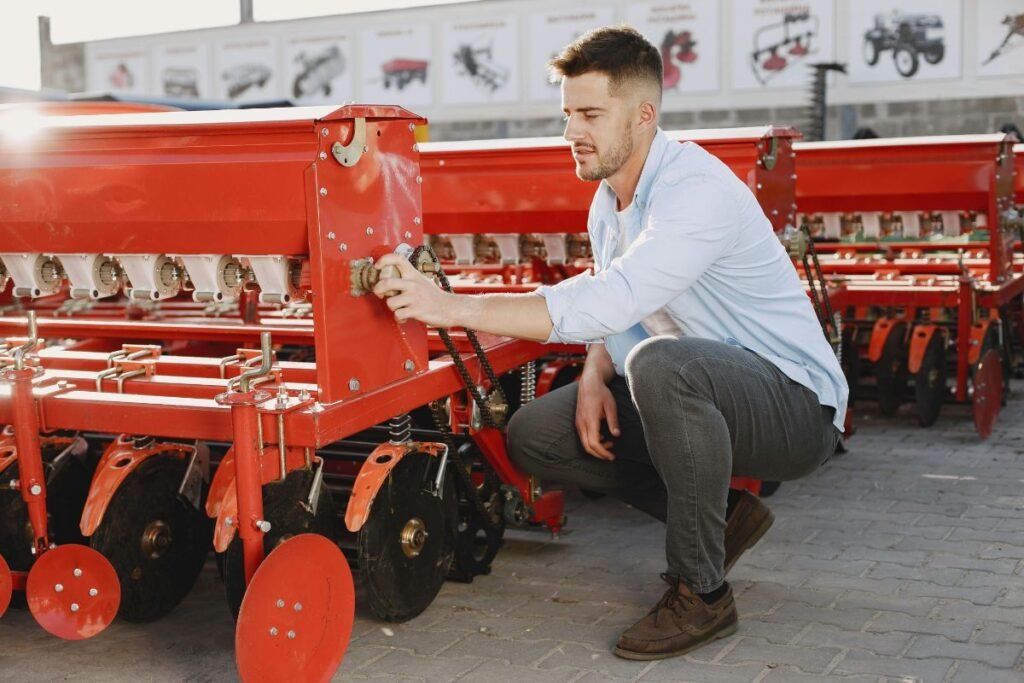
Even machines that appear identical can use different components depending on the production year, specification, engine type, or regional market.
A part that fits one tractor may be completely unsuitable for another model produced just a few years earlier or later.
This is where mistakes often begin. Buyers may identify a component visually and assume it is the correct item.
Others rely on outdated records, incomplete descriptions, or information passed on verbally. While these approaches sometimes work, they also increase the likelihood of errors.
If an incorrect part number is supplied when placing an order, the wrong component may be shipped.
Not only does this create inconvenience, but it can also trigger additional customs procedures when returns or exchanges become necessary.
What might have been a straightforward shipment can quickly become a lengthy process involving extra paperwork and transport costs.
Customs authorities also rely on accurate information to process shipments efficiently.
Product descriptions, commodity codes, and supporting documentation help determine how goods should be classified.
If information is incomplete or inconsistent, customs officials may request clarification before allowing the shipment to proceed.
Even a short delay can be significant when machinery is out of service. During busy periods, every day matters.
A tractor waiting for a replacement component during planting season or a combine requiring urgent repairs during harvest can create operational challenges that extend well beyond the cost of the part itself.
The Importance of Part Numbers and Serial Numbers
One of the most effective ways to ensure accuracy is to use official part numbers whenever possible.
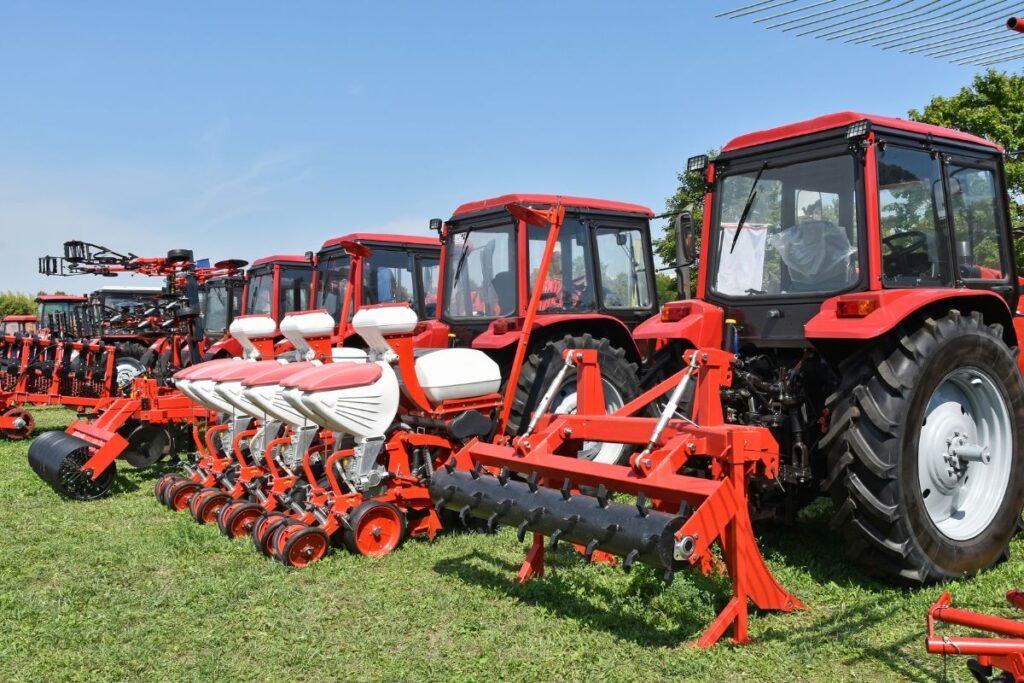
Manufacturers assign these numbers to specific components, making identification far more reliable than relying on descriptions alone.
Machine serial numbers are equally important. These provide valuable information about the exact specification of the equipment and help suppliers verify compatibility before dispatch.
Providing both the part number and machine serial number significantly reduces the risk of receiving the wrong item.
Photographs can also be useful, particularly when dealing with older equipment.
Images of the existing component, machine identification plates, and surrounding assemblies can help suppliers confirm that the correct part has been selected.
Experienced agricultural parts suppliers often encourage customers to provide as much information as possible.
Companies such as Masseyparts understand that spending a few extra minutes verifying part details at the beginning of the process can prevent far greater delays later.
Accurate identification benefits not only the customer but also the supplier and shipping provider.
Correct information supports smoother order processing, clearer customs declarations, and more efficient delivery arrangements.
Customs Clearance Relies on Accurate Information
When goods cross international borders, customs authorities require detailed information about what is being shipped.
Vague descriptions such as “tractor part” or “machine component” are often insufficient. More specific information allows customs officers to classify goods correctly and process shipments more efficiently.
Accurate product descriptions help avoid unnecessary inspections.If customs officials are uncertain about the contents of a shipment, they may request additional documentation or carry out further checks. While these procedures are entirely routine, they can extend delivery times.
Commodity codes play a crucial role as well. These internationally recognised classification codes determine how products are categorised for customs purposes.
Incorrect coding can result in delays, additional questions, or even adjustments to duties and taxes.
For business customers, maintaining accurate records is equally important. Documentation should be consistent across invoices, shipping paperwork, and customs declarations.
Discrepancies between documents can create confusion and slow the clearance process.
The growing complexity of international trade has made accuracy more valuable than ever.
Customs procedures are designed to facilitate legitimate trade, but they rely heavily on the quality of the information provided.
The more precise the documentation, the more efficiently shipments can move through the system.
Ultimately, correct part identification is about more than simply receiving the right component.
It influences every stage of the supply chain, from order placement and inventory management to customs processing and final delivery.
Taking the time to verify part numbers, provide serial numbers, and supply accurate descriptions may seem like a small step, but the benefits can be substantial.
Faster processing, fewer customs queries, reduced risk of returns, and shorter machinery downtime all contribute to a smoother purchasing experience.
In an industry where equipment reliability is essential and delays can have significant consequences, accuracy remains one of the most valuable tools available.
By ensuring parts are correctly identified from the outset, buyers can avoid many of the issues that commonly slow international shipments and keep their machinery operating when it matters most.