
 jack
jack
There are certain jobs that you see people doing every day. It can all look ordinary from the outside, yet they’re taking on risks most of us never face.
From unstable scaffolding to unpredictable livestock, the workforce includes thousands of employees working in environments where even a single slipup can have life-changing consequences.
Read on to find out which roles carry the highest danger, why they’re so hazardous, and what workers, managers, and families can do to stay informed and safe.
What Makes A Job ‘Dangerous’?
All jobs carry some element of physical risk (computer equipment cables causing tripping, or unstable furniture), but a role can be called ‘dangerous’ when workers are routinely exposed to hazards such as heights, heavy machinery, confined spaces, or unpredictable conditions.
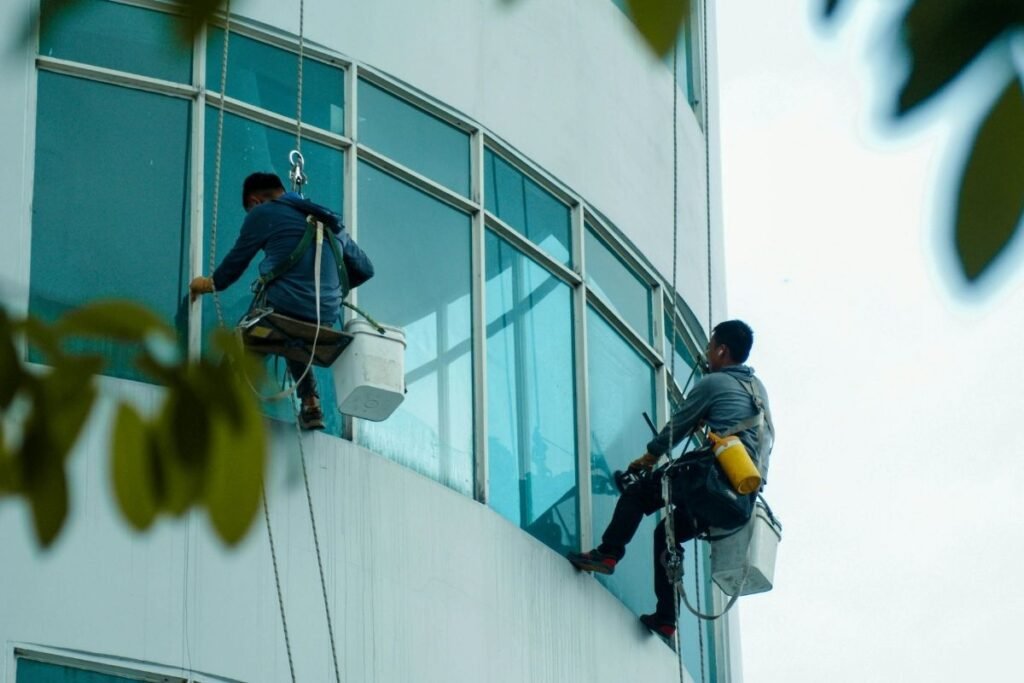
In particular, falls from height remain the leading cause of workplace fatalities, making up more than a quarter of all deaths in 2024/25.
And these accidents often happen during the most routine tasks (climbing a ladder, or working on temporary platforms that suddenly buckle or shift). It’s the combination of human error, environmental conditions, and mechanical failure that creates risks that instantly escalate.
Construction: The UK’s Most Dangerous Industry
It’s no surprise that construction consistently records the highest number of workplace fatalities – so much of the work is done in unstable or unfinished environments.
In 2024/25, the industry saw 51 deaths and more than 61,000 non-fatal injuries, many linked to collapsing structures, electrocution, or workers losing footing at while working high up.
Scaffolding and roof work are especially dangerous because workers must constantly navigate the risks of a fall from height, often in windy or confined spaces where one slip can be catastrophic. The fast pace of building sites leaves no room for error.
Agriculture, Forestry, Fishing: Why Farming Has The Deadliest Jobs Per Capita
Farming employs just 1% of the UK workforce, but accounts for nearly 20% of all workplace deaths. And no wonder.
Even idyllic-looking fields and farmyards are filled with unpredictable hazards such as machinery rolling over, aggressive cattle, unprotected water troughs, and exposure to chemicals.
The fatality rate is 20 times higher than the all-industry average, and to make it worse, many incidents occur in isolated areas which makes it difficult to get timely emergency help.
Fires And Bombs: The Risks That Our Emergency Services Face Every Day
Firefighters, police officers, and bomb disposal teams are what people commonly associate with ‘dangerous job’ – with environments that can turn hostile in a few seconds.
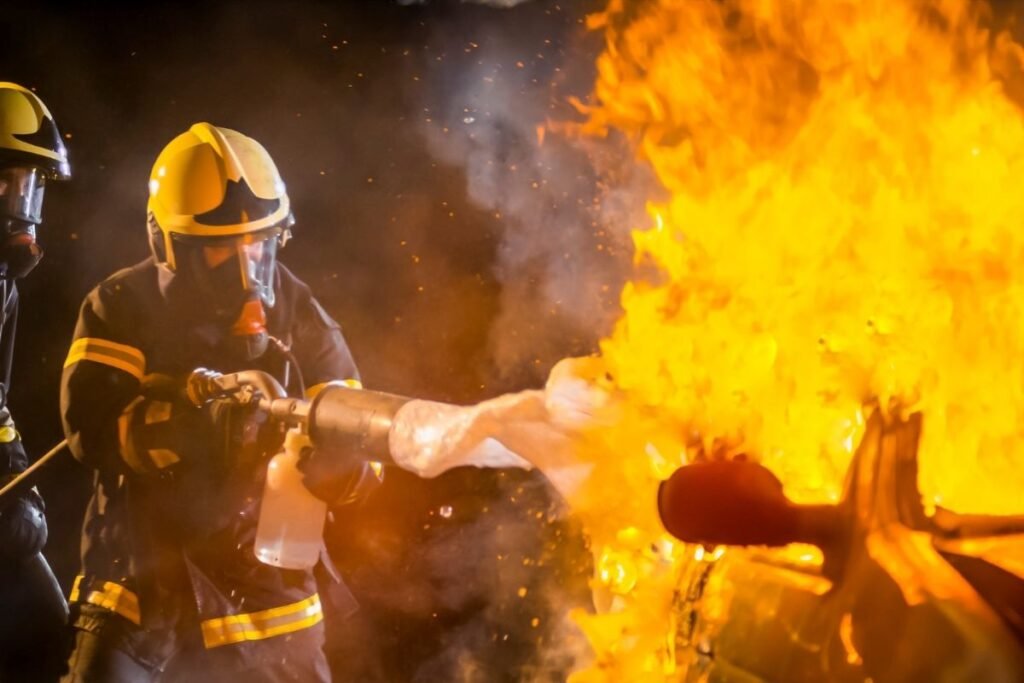
Firefighters alone recorded over 47,000 injuries in five years as they face extreme heat, collapsing structures, and toxic smoke.
Police officers typically encounter violence, hazardous situations, and high-stress scenarios that can escalate without warning, while explosive ordnance teams handle the most volatile and uncertain risks of all.
Waste, Transport, And Offshore Rig Work
There are other dangerous jobs that we pass on the street every day – operating quietly in the background.
For example, the crew on that waste management vehicle deal with crushing hazards and heavy industrial equipment.
If you drive a lorry, it’s not just about the hum of the open road – you’ll face long hours, tight deadlines, and collision risks.
And offshore oil workers endure harsh weather, isolation, and a constant risk of fires or explosions at sea.
Where Risk Is Part Of The Job
The UK’s most dangerous jobs span different industries, but for all of them, risk is woven into the work.
Understanding these hazards is the first step to improving safety for the workers doing these vital roles.


