jack
jack
Music has always been a multi-sensory experience. You feel the rhythm, hear the melody, and thanks to today’s technology you can see the sound too.
The rise of the music visualizer has transformed how artists and listeners engage with songs.
These dynamic, rhythm-synced visuals don’t just decorate the music; they amplify it, turning listening into a full-bodied experience that grabs attention and keeps audiences coming back for more.
From the nostalgic hum of lo-fi loops to mind-bending, futuristic animations, visualizers have become a key tool for artists and content creators who want to stand out in the streaming era.
Let’s dive into how different styles captivate viewers and how you can find the right one for your sound.
1. The Allure of the Lo-Fi Aesthetic
There’s something irresistibly cozy about lo-fi visuals like muted tones, looping animations, and that gentle flicker that feels like an old VHS tape.
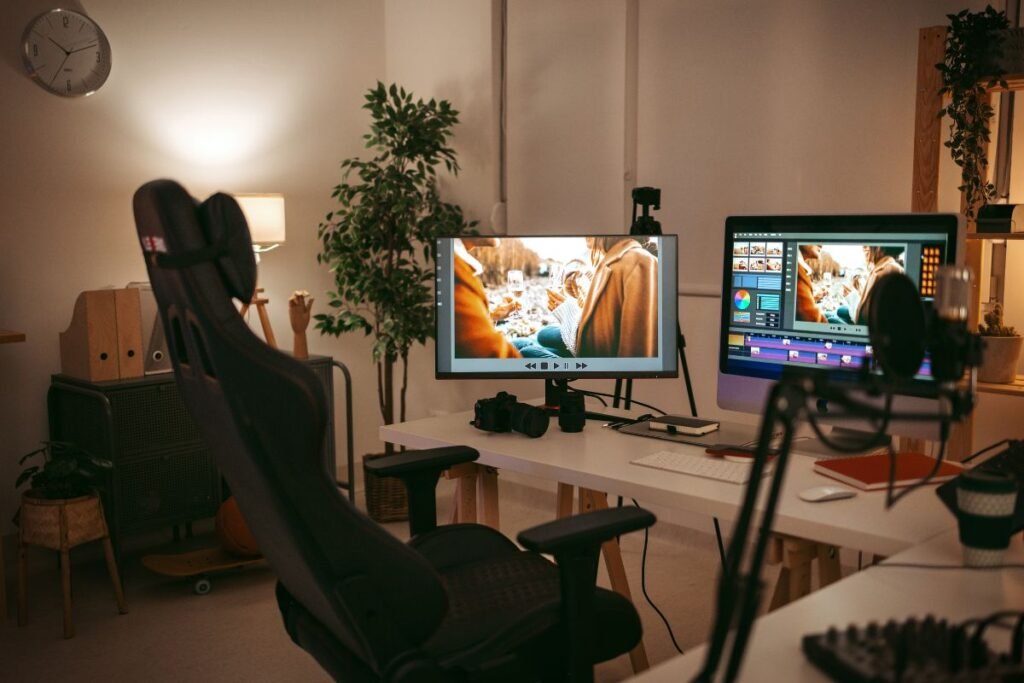
This aesthetic has exploded in popularity, especially on YouTube and TikTok, where lo-fi beats and ambient mixes often feature dreamy visualizers of cityscapes, bedroom studios, or gentle rain scenes.
Lo-fi visuals connect because they feel real. They don’t try to overwhelm you with perfection, instead, they create a mood.
The subtle motion syncs with the rhythm of the music, giving listeners something calming to focus on without distracting from the sound.
This style works beautifully for genres like chillhop, ambient, and indie pop. Music meant to relax rather than hype. The visuals extend that same energy: minimal, nostalgic, and endlessly loopable.
2. Minimalist Waveforms — Clean, Classic, and Professional
For artists who want something timeless and elegant, minimalist waveform visualizers are a staple. You’ve seen them. Simple lines pulsing in sync with the beat, reacting to volume and frequency.
This style keeps the focus on the sound itself. It’s perfect for podcasts, lyric-less tracks, and any song where clarity is key. Think of it as the visual equivalent of good studio lighting, subtle but effective.
Modern tools make it easy to generate waveform animations automatically. Platforms like Videobolt let you upload a track, pick a design, and generate visuals in minutes, no editing degree required.
Minimalist doesn’t mean boring; when paired with the right colors, transitions, and typography, waveform visualizers feel sleek, polished, and high-end.
3. Abstract and Futuristic Visuals — For the Tech-Forward Artist
Now, if you’re the kind of artist who wants to make jaws drop, futuristic visualizer styles are where you shine.
Think digital landscapes, particle explosions, and holographic shapes that pulse and morph with every beat.
These visuals give your audience something truly immersive, a visual representation of what the music feels like on another level.
This approach thrives in electronic, synthwave, and techno genres, music that’s already futuristic by design. Adding visuals that mirror that complexity creates a synesthetic experience, where the line between sound and sight blurs.
Some creators even use AI-generated effects that respond in real time to frequencies and tempo shifts, making every playback slightly different. It’s unpredictable, cutting-edge, and visually hypnotic.
4. Hand-Drawn and Stop-Motion Visuals — The Human Touch
In a digital world, sometimes imperfection is what stands out most. Hand-drawn or stop-motion visualizers bring a tactile, human warmth to the screen.
Each frame feels intentional, crafted, and full of character. A reminder that art doesn’t always have to be smooth to be beautiful.
This style works particularly well for acoustic, folk, or singer-songwriter genres, where authenticity is the soul of the music.
It gives fans a sense of connection, like they’re watching a personal story unfold rather than a polished production.
It’s no coincidence that this aesthetic has surged alongside the broader “analog comeback.” In a world saturated with algorithm-driven content, authenticity always finds a way to shine through.
5. Live Performance-Driven Visualizers
Some artists use visualizers not just as background animations, but as extensions of their live performances.
This is especially true for DJs, producers, and bands who incorporate projected visuals during gigs.
Imagine a track’s bassline triggering pulsing lights, or the melody syncing perfectly with geometric motion. With real-time reactive visuals, performances feel alive, unique every time.
And it’s not just for festivals. Smaller acts and independent artists are using live visualizers to enhance online shows and virtual concerts, making performances feel cinematic even from a laptop screen.
6. Genre-Specific Visual Design — Matching Sound with Sight
The best visualizers understand that genre defines atmosphere. A hip-hop track demands a different visual rhythm than a trance anthem or an ambient piano piece.
Here’s how genre often influences style:
- Hip-Hop & R&B: Graffiti textures, slow motion, and smoky overlays.
- EDM & House: Bright neons, pulsing geometry, and intense transitions.
- Indie & Alt Rock: Analog film filters, vintage tones, and grungy textures.
- Pop: Clean lines, color gradients, and bold typography.
- Ambient & Chill: Slow fades, pastel hues, and nature-inspired loops.
Matching visual tempo and tone to the music builds cohesion. It tells your audience what to feel, not just what to hear.

Data Meets Design: The Science of Visual Engagement
There’s more to visualizers than artistic flair. There’s psychology, too. Humans are inherently visual creatures, and movement attracts our attention far more than static imagery.
According to HubSpot, video content generates 1200% more shares on social media than text and image posts combined.
That means a captivating visualizer doesn’t just enhance your track, it massively boosts its reach.
It’s no wonder artists and labels now treat visualizers as essential marketing assets, not optional extras.
They help tracks cut through the noise, build brand identity, and keep audiences visually hooked while listening.
How to Choose the Right Visualizer Style for Your Music
Selecting the right visualizer is about finding alignment between your sound, brand, and audience. Here are a few questions to ask yourself:
- What emotion do I want my audience to feel?
- Do I want to calm them, energize them, or mesmerize them?
- Is my visual identity consistent across social media, videos, and album art?
- Does the style reflect my genre or challenge it in a creative way?
Don’t be afraid to experiment. Many artists use different styles for different releases.
Lo-fi for chill projects, high-concept visuals for EP launches, or minimalist waveforms for collaborations. The goal isn’t to follow a trend, but to find the visual language that feels authentically yours.
Final Thoughts
In 2025’s music landscape, sound and visuals are inseparable. The right visualizer doesn’t just decorate your music, it tells your story in motion, shape, and color.
From nostalgic lo-fi loops to futuristic, AI-driven effects, each style offers a new way to express emotion and connect with your audience on a deeper level.
And with platforms like Videobolt, creating stunning visualizers is easier than ever. No massive production budget or editing experience required.
Because when sound and sight move together, that’s when music truly comes alive.