jack
jack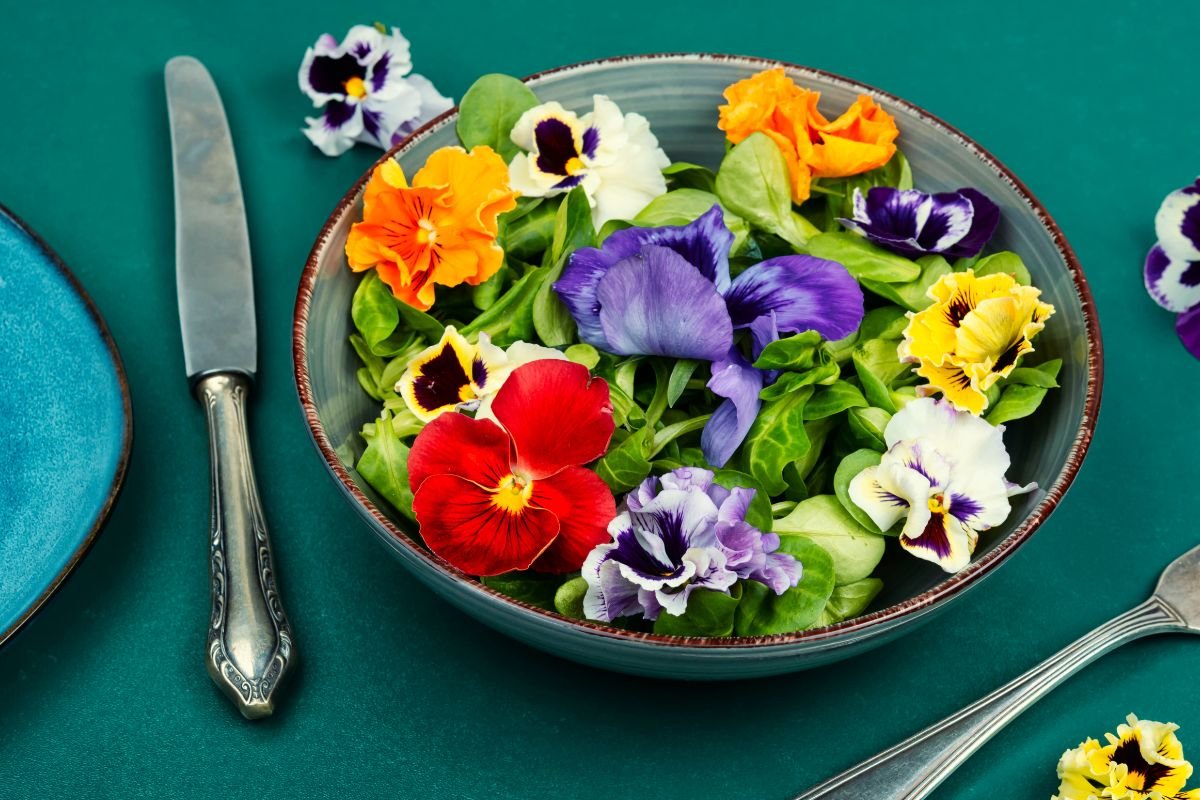
There’s something quietly delightful about flowers that don’t just sit pretty but also lend themselves to the plate.
These blooms offer not only a visual lift but also a delicate flavour that adds depth where it’s least expected.
When grown with care, they bring a rare blend of beauty and taste that feels freshly gathered from garden to table.
Discovering the Beauty Behind Edible Blooms
Edible flowers seem whimsical, but their charm lies in just how versatile they are.
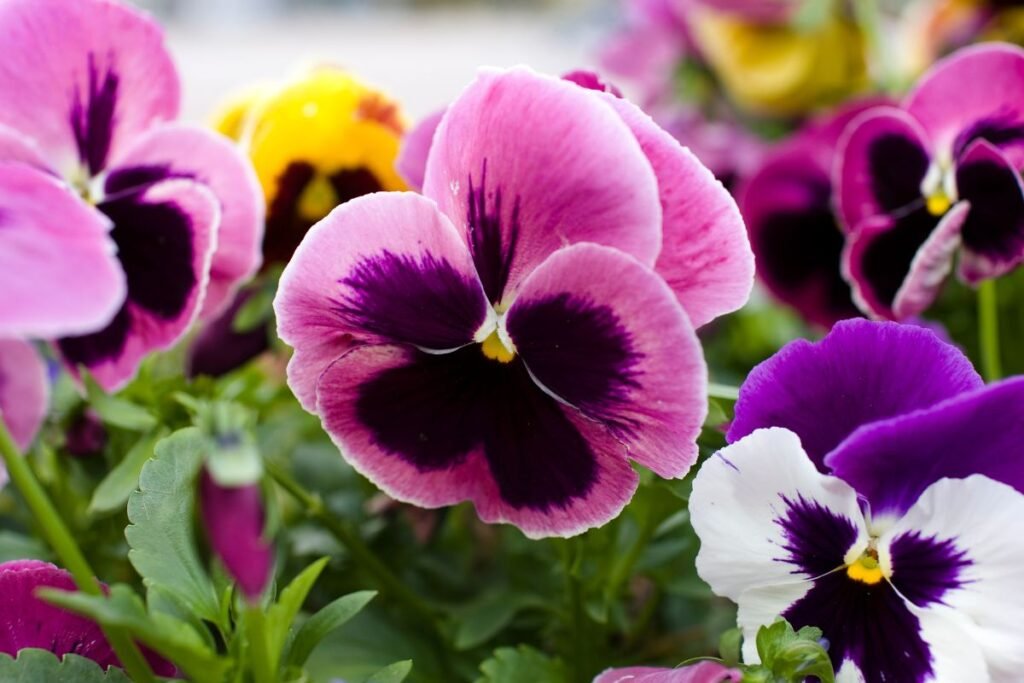
From the sharp zest of nasturtiums to the soft sweetness of pansies, each variety tells its own story.
Their presence, whether scattered across a salad or pressed into biscuits, turns the ordinary into something rather special.
Calendula petals bring both bold colour and a citrus tang, perfect for soups and pasta dishes.
Borage, with its star-shaped blue flowers, tastes uncannily like cucumber and makes a refreshing addition to summer drinks.
Meanwhile, elderflowers lend a delicate aroma that transforms cordials and syrups into something truly elegant.
It’s important, however, to proceed with care. Not every flower is safe to consume, and some may carry pesticides or pollutants if not grown for culinary use.
Always check they’re fit for eating and, where possible, grow your own or source from trusted producers.
A little botanical knowledge goes a long way. Some edible flowers also attract pollinators, like bees and hoverflies, supporting broader garden health while enhancing flavour on the plate.
Preparing the Garden for Edible Delights
Edible flowers thrive in the same way many other garden plants do, although they appreciate a bit of special attention.
To begin with, choose a spot that enjoys at least six hours of sunlight each day, and protect young plants from harsh winds. A slightly shaded corner works well for more delicate varieties.
In addition, drainage plays a crucial role, particularly after rain. The soil should feel like a damp sponge, never sodden.
Raised beds or well-prepared borders help a tremendous deal as well, especially in heavy clay or compacted soil.
Meanwhile, a light, balanced compost or well-rotted manure gently worked into the ground a fortnight before sowing will enrich the base without overwhelming young roots.
For those uncertain about where to start, contacting a local gardening service can be invaluable. They’ll assess the space, suggest suitable varieties, and help avoid early pitfalls.
Taken together, this gentle preparation lays a solid basis for a productive, nourishing plot that rewards effort with both vitality and taste.
Growing and Tending with Care
Starting small with easygoing favourites helps build confidence.
Among the most reliable choices are nasturtiums, calendulas, cornflowers, and violas, which are forgiving. They flourish quickly and bloom reliably from late spring into early autumn.
They’re generous, both in colour and in yield, which makes them perfect for those who are new to the edible garden.
To encourage healthy growth, space seedlings evenly and thin them once they’re established to avoid competition. Crowded roots lead to weak stems and smaller blossoms.
At the same time, keep weeds at bay with mulch or regular hoeing and water the plant consistently at the base to avoid splashing the petals.
As time passes, your plants mature and the seasons change, and with that shift, their needs evolve too.
During hotter spells, a touch of afternoon shade and extra hydration go a long way. By contrast, in cooler regions, covering beds with fleece during unexpected cold snaps offers essential protection.
Overall, even with minimal fuss, these flowers repay their keeping with an ongoing display of colour and culinary promise.
What’s more, their bright varieties often deter common pests, acting as natural companions to vegetables and herbs nearby.
Harvesting at the Right Time
Picking flowers for eating is a gentle task that benefits from careful timing.
Early morning, once the dew has evaporated but before the sun rises too high, is ideal. At this point, the petals are crisp, the oils are fresh, and the flavours are strongest.
Snip flowers using clean, sharp scissors, and choose those that have just opened. They’ll hold their shape and taste best at this stage. Older ones can become bitter or collapse quickly after picking.
Moreover, hold them gently to avoid bruising the petals, and steer clear of harvesting after rainfall, when the flowers are more fragile and prone to damage.
To keep them fresh, rinse lightly with cool water to remove dust or tiny insects, then pat them dry with kitchen paper.
Wrap them in slightly damp cloth or paper towels, place them in an airtight container, and refrigerate them promptly.
Stored properly, most edible varieties will stay usable for two or three days without losing their charm—though it’s always best to use them as soon as possible while their flavour and texture are at their peak.
Bringing Flowers into the Kitchen
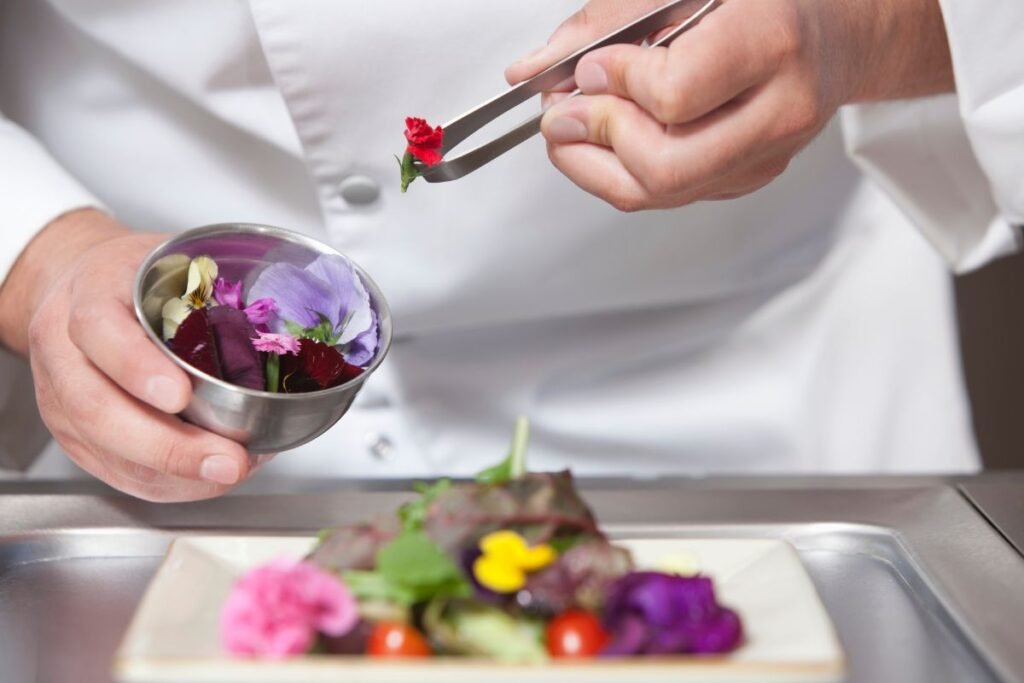
Edible flowers can be surprisingly useful in the kitchen, offering light flavours and gentle aromas that support rather than dominate. They work best when added with intention, not simply as decoration.
One good place to start is with dianthus, which carries a mild clove-like warmth. It’s well suited to baked goods or custards or sprinkled over whipped cream for something subtly fragrant.
Another versatile option is the daylily. The petals are crisp with a hint of sweetness, making them ideal for stuffing or adding to salads with tender greens and citrus.
You might also try bee balm, which has a light, minty spice that pairs nicely with soft cheese or fresh fruit. It adds both flavour and colour to the dish.
In a different direction, fennel flowers offer a soft aniseed note. Sprinkling a few over fish, potatoes, or a grain salad can enhance the dish without overwhelming it.
For something slightly bitter, corn marigold works well with creamy textures—think quiches or mild cheeses. And pineapple sage flowers add a gentle fruity lift to salsas, yoghurt or grilled vegetables.
If you enjoy infusions, hibiscus petals steep into a bold, ruby-red tea with a tart edge, perfect for cordials or chilled drinks.
Violets, on the other hand, bring a soft floral sweetness that works beautifully in icing or shortbread.
The key is to use them where they make sense, not for show, but for balance. With the right match, even a few petals can do just enough to bring a dish together.
Preserving the Blooms for Later Use
Fresh flowers fade quickly, but that doesn’t mean their charm has to disappear with them.
With a few simple methods, their colours and delicate flavours can be tucked away for use long after the season has passed.
Drying is the easiest method. Spread the petals out somewhere warm, dry and shaded, turning them every now and then until they’re crisp.
Stored in a jar with a tight lid, they’ll keep for months and are lovely stirred into teas or baking mixtures.
Freezing is another way to hold on to their character. Blanch the flowers briefly, cool them in iced water, then pat dry and freeze on trays before transferring to bags. The result keeps the colour and flavour intact for use later in the year.
For something more decorative, try crystallising. Brush the petals with egg whites, dust with fine sugar, and leave them to dry completely. These hold their shape and sparkle for weeks, perfect for finishing off cakes or tarts.
Whether dried, frozen or sugared, preserved blooms serve as a quiet reminder of warmer months. When fresh flowers aren’t to hand, these little stores of summer are a pleasure to return to.
Conclusion
By growing edible flowers, you’ve done more than add beauty to the garden—you’ve invited it to the table.
Every petal you pick and preserve represents a quiet triumph of care, patience, and thoughtful use.
There’s real satisfaction in turning something so fleeting into flavour, and you’ve earned every bit of it.