jack
jack
Buying your first home can feel like stepping into a completely new world. You might be excited by the prospect of owning your own space but may quickly find that the process is more complicated than expected.
From understanding your finances to choosing the right location, small missteps early on can have long-term consequences.
Taking time to plan, research, and ask the right questions saves you stress and money, and ensures your first property truly suits your lifestyle.
Being prepared allows you to make confident decisions and enjoy the transition from renting to ownership.
Skipping Mortgage Pre-approval
House-hunting without a mortgage Agreement in Principle (AIP) leaves you vulnerable to disappointment.
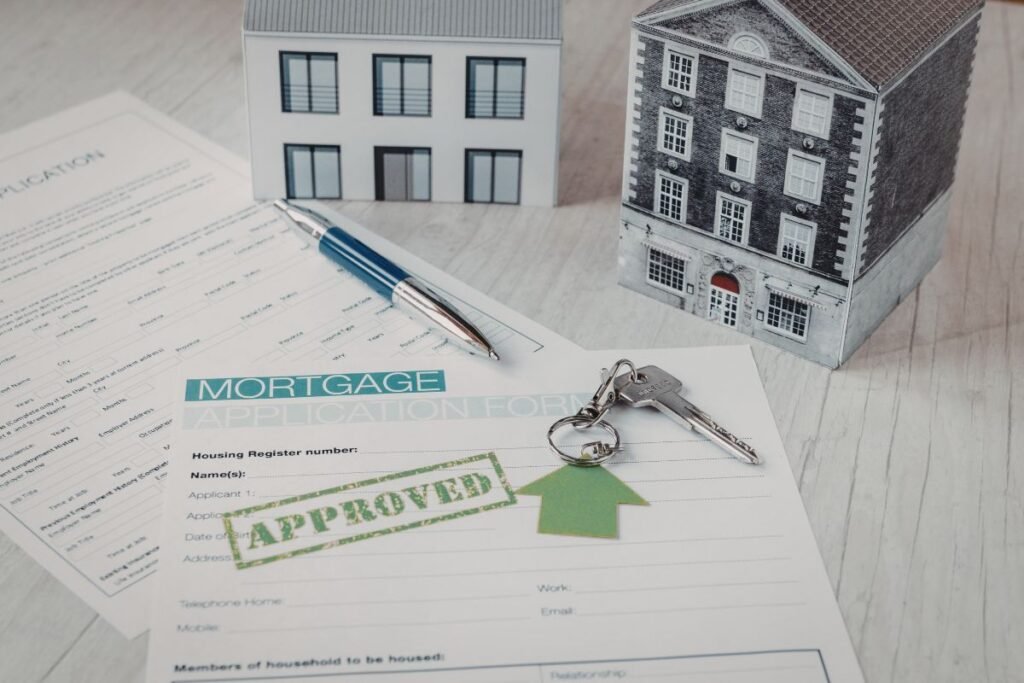
If a property exceeds what you can borrow, negotiations fall apart, and you lose time on properties that aren’t realistic.
Securing pre-approval not only clarifies your budget but also strengthens your position with sellers, demonstrating that you are a serious buyer.
Prepare key documents such as pay slips, bank statements, and proof of savings before applying. An AIP helps you focus on properties you can afford and speeds up the eventual purchase process.
Not Understanding Your Full Budget
Many first-time buyers focus only on the deposit and mortgage, overlooking the wider financial picture.
Stamp duty, legal fees, surveys, moving costs, and ongoing maintenance all add up, and underestimating them can lead to unwelcome surprises.
For example, buying older properties often comes with higher repair bills, whereas new homes tend to have lower maintenance costs and warranties that cover defects.
Make a detailed spreadsheet of every expected cost, then add a buffer for unexpected expenses. This approach ensures you move in with confidence and avoid stretching your finances too thin.
Overlooking Hidden Or Ongoing Costs
Even after the upfront expenses, regular outgoings can catch new homeowners off guard.
Council tax, utilities, insurance, and unexpected repairs can strain monthly budgets if you haven’t planned for them.
Building an emergency fund equivalent to a few months of costs provides a safety net, so you can address repairs or fluctuations in bills without stress.
Tracking monthly spending and reviewing your budget after moving in helps you stay in control and maintain a comfortable standard of living.
Neglecting To Research The Area Thoroughly
A home isn’t just about four walls; the surrounding neighbourhood matters too. Focusing solely on the property can leave you surprised by noise, limited amenities, or poor transport links.
Visit the area at different times of day and check local schools, public transport, and planned developments.
Understanding your community ensures your choice supports both your lifestyle and future resale value.
Considering new build homes can also influence location decisions, as developers often select areas with growing infrastructure and modern amenities, offering a long-term advantage for first-time buyers.
Skipping a Professional Survey
Some buyers are tempted to skip a home survey to save money, especially if a property appears in good condition.
However, a professional survey can uncover hidden problems like damp, structural movement, or outdated wiring — issues that can be far more expensive to fix later.
Investing in a Level 2 or Level 3 survey before you buy provides essential peace of mind and can even give you leverage to renegotiate the price if costly repairs are identified.

Letting Emotions Drive Decisions
It’s easy to fall in love with a house and overlook its drawbacks. Emotional attachment may lead to stretching your budget or compromising on non-negotiables, like commute time or outdoor space.
Try to view each property objectively, comparing it against a checklist of essential and desirable features.
Taking a trusted friend or family member to viewings can help you stay grounded and keep the focus on value and practicality.
Rushing The Conveyancing Process
Once your offer is accepted, it’s tempting to push for completion as quickly as possible. Yet skipping due diligence at this stage can cause major headaches later.
Carefully review every document your solicitor sends, including title deeds, environmental searches, and property boundaries.
Raising questions early ensures everything is clear before contracts are exchanged, preventing disputes or delays down the line.
Ignoring Future Resale Potential
Even if you plan to stay long-term, it’s smart to consider how the property will appeal to future buyers.
Look at local development plans, transport improvements, and school catchments, all of which influence value growth.
A home that fits your current needs and holds strong resale potential gives you flexibility for the future and helps secure your financial stability.
Buying your first home can be challenging, but each step you take to prepare increases your confidence and protects your investment.
Surround yourself with the right team of mortgage advisers, solicitors, and surveyors who explain things clearly and act in your best interest.
Take time to read contracts thoroughly, question unclear terms, and never feel rushed into signing. It’s far better to pause and reassess than to commit to something uncertain.
Remember that this is a learning experience as much as a financial milestone. By avoiding these common mistakes and focusing on informed decision-making, you’ll not only secure a home that meets your needs today but also build a strong foundation for your future.
With good planning, patience, and the right advice, the excitement of getting your keys can finally outweigh the stress of the journey.