jack
jack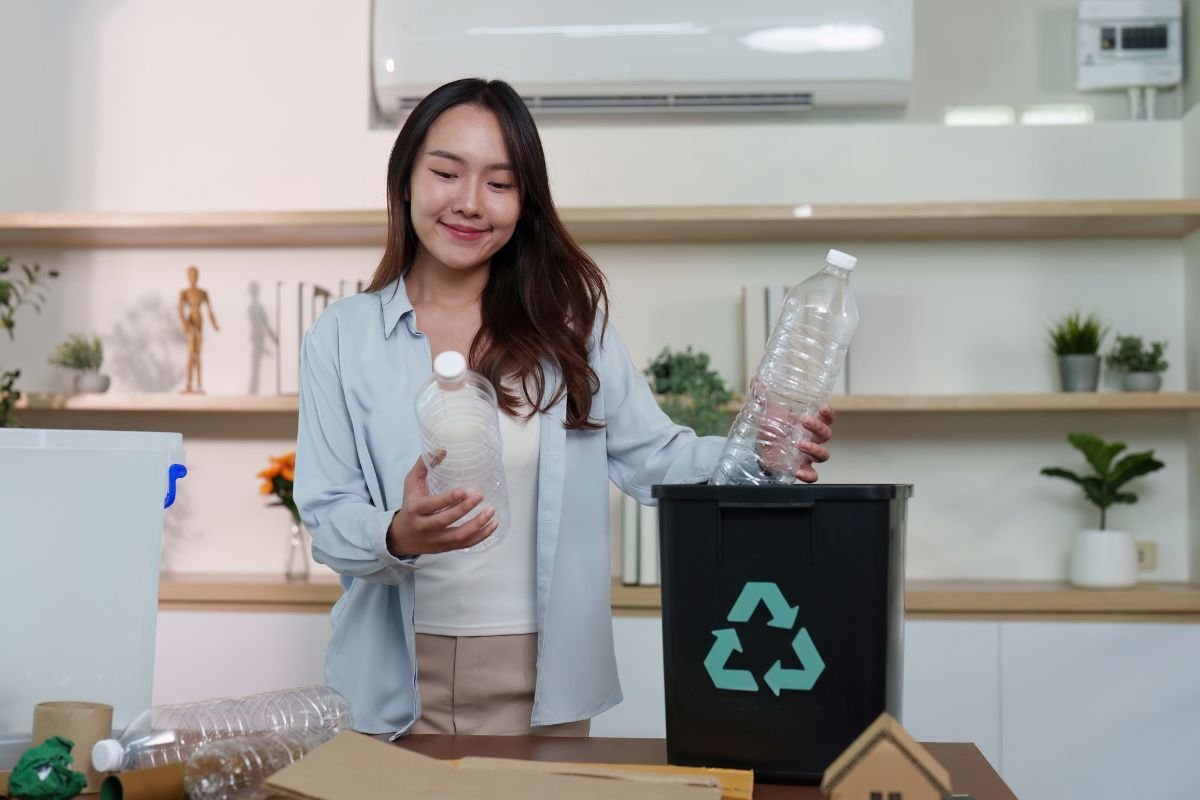
In the UK, we tend to throw away a great deal of stuff before it’s truly outlived its usefulness.
These unwanted items can actually be a considerable source of value if you’d like to keep your home in order, and minimise the waste that your household produces.
Packaging You Can Put Back to Work
Many of the items we buy come with packaging that can easily be reused. Glass jars and plastic pots are a great match for garages and kitchens, where they can be used to keep everything from home-made sauces to masonry nails.
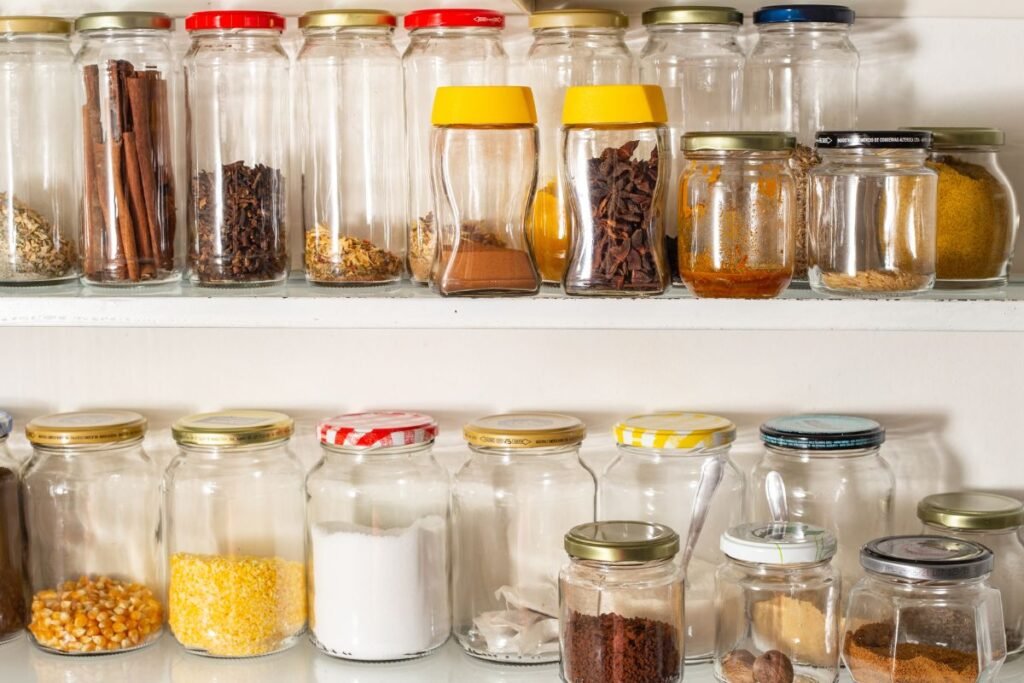
If you’re going to be storing food in an old container, then you’ll need to be sure that it’s appropriately sterilized.
This will ensure that harmful microbes won’t have a chance to form a colony. It’s also worth investing in a label-maker, so that you can keep track not only of what you’ve made, but of when you’ve made it.
Traditional glass bottles from a local milk delivery can often be reused before being returned. Simply rinse them with boiling water. This way, you’ll avoid the environmental damage that comes with disposable cartons.
Everyday Household “Rubbish” with a Second Life
Sometimes, household waste can be repurposed in other ways. You might use a glass bottle to house flowers and other plants, or an old tea towel as a cleaning rag.
By repurposing old items, you’ll delay the point at which you have to buy new ones. This will in turn push your home toward a greener, circular economy.
Garden and DIY Uses for What You’d Normally Bin
There are a number of items that you might traditionally view as disposable, which can actually be put to good use around the home and garden.
You might use an old wooden pallet as a planter, for example – especially if you have the basic woodworking skills to break it up and put it back together. Cardboard, similarly, can be broken apart and used as low-cost mulch.
The more effectively you can find new purposes for waste material, the more sustainable your garden can be.
Clothing, Textiles and Small Homewares You Can Keep in Use
When you haven’t worn a given item of clothing in a long time, you might be tempted to donate it to a local charity shop. The same applies to bedding, soft furnishing, and other kinds of textiles.
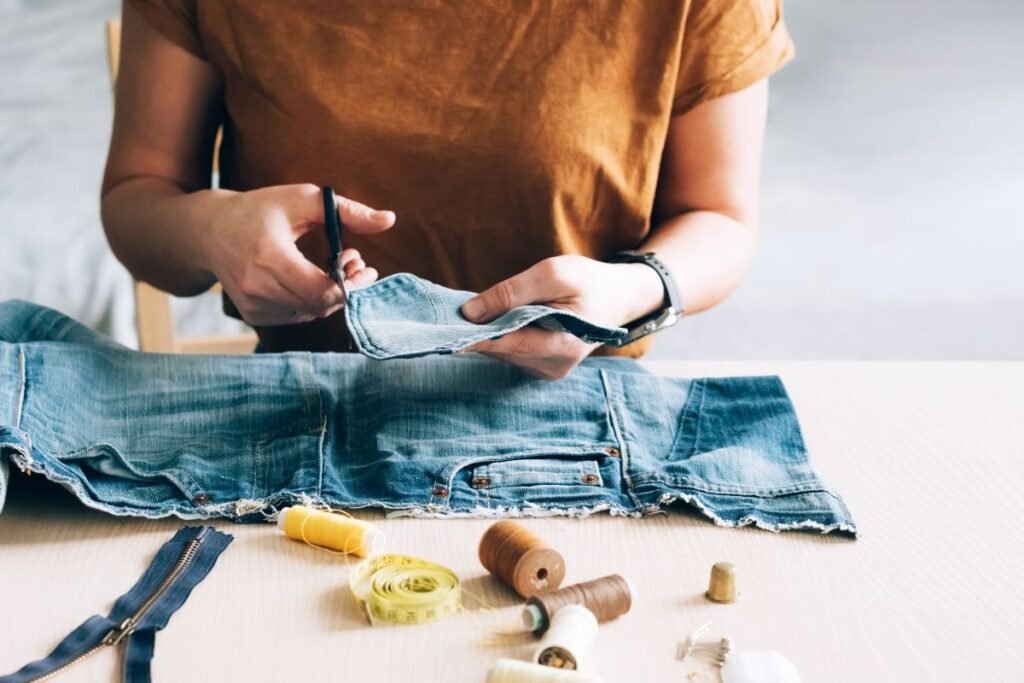
But if you understand how to sew, you can refashion these items into cushions, bags, dust covers, or just about anything else.
By holding onto old items for a little longer, you’ll help your home to keep pace with modern initiatives like the Future Homes Standard, which aims to produce houses that are around 80% more efficient than those built in 2013.
Bear in mind, however, that the greenness of a home is about more than the building itself, but about what goes on within it.
You can also look beyond the home for creative reuse opportunities. Everyday items that would usually end up in the bin can often fill new roles in your community, garden, or hobbies.
For instance, cardboard postal tubes make excellent organisers for cables, wrapping paper, or even seedlings when you’re starting plants indoors.
Egg cartons serve a similar purpose — cut them into sections, fill with compost, and plant your seeds in them.
Once the shoots are sturdy enough, transfer the whole thing into the soil; the cardboard will break down naturally.
Old candle jars are another overlooked gem. After cleaning out the remnants of wax, they can be turned into elegant holders for cotton pads, stationery, or tealights.
If you’ve got children, these jars can also become the basis for craft projects such as homemade snow globes or art supply storage.
Similarly, wine corks can be glued together into coasters or pinboards, helping to clear drawer space while adding some rustic charm to your décor.
Electronic packaging, such as sturdy boxes and protective foam, can be repurposed too. Instead of throwing them away, keep a few handy for shipping parcels or storing seasonal decorations.
Even the packaging peanuts that often seem useless can cushion fragile items when moving house.
Finally, consider how reusing items can foster a mindset of resourcefulness. Setting aside a small cupboard or shelf for “reuse materials” keeps potential supplies close by while reducing clutter.
Before buying storage containers, craft materials, or plant pots, glance through what you already have. In most cases, you’ll find something that will serve perfectly well with a little imagination.
Reusing everyday items doesn’t just cut waste — it nurtures creativity, saves money, and supports a lifestyle that values long-term sustainability over single-use convenience.