jack
jack
Wiper blades are among the most essential safety components on any vehicle, yet they’re often overlooked until they fail to perform when needed most.
These seemingly simple devices face constant exposure to harsh environmental conditions, making them particularly vulnerable to weather-related wear and tear.
Understanding how different weather patterns affect wiper blade performance can help drivers maintain optimal visibility and extend the lifespan of their blades through proper care and timely replacement.
The Science Behind Weather-Related Wiper Wear
Weather conditions directly impact the rubber and silicone materials used in modern wiper blades.
Each type of weather presents unique challenges that accelerate deterioration through different mechanisms.
The key lies in understanding these processes to make informed decisions about maintenance and replacement schedules.
Heat and UV Exposure Effects
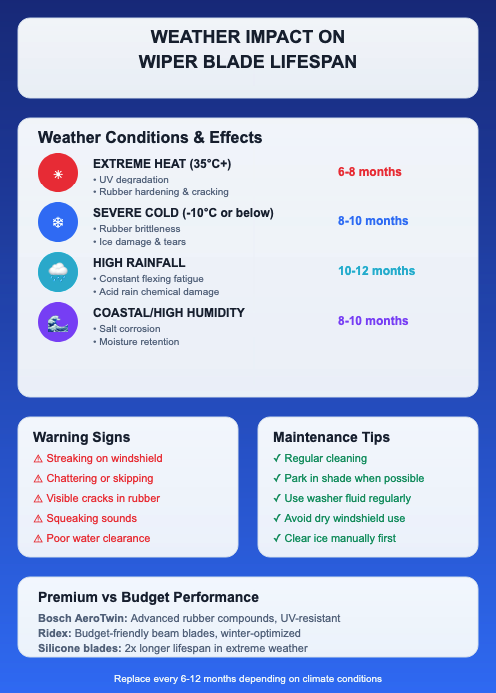
Extreme heat represents one of the most damaging conditions for wiper blades. When temperatures soar, the rubber compounds in traditional blades begin to dry out and crack.
UV rays from the sun accelerate this process by breaking down the molecular structure of the rubber, causing it to lose flexibility and develop microscopic fissures that eventually become visible cracks.
During hot weather, parked vehicles can reach interior temperatures exceeding 60°C, with windshield temperatures climbing even higher.
This intense heat causes the rubber to harden and lose its ability to conform properly to the windshield surface. The result is reduced wiping effectiveness, streaking, and eventual blade failure.
Premium brands like Bosch have developed advanced rubber compounds and silicone alternatives specifically designed to resist UV degradation.
Their AeroTwin series features enhanced rubber formulations that maintain flexibility in extreme temperatures, while silicone-based alternatives can last up to twice as long as conventional rubber blades in harsh sun exposure.
Cold Weather Challenges
Winter conditions present equally significant challenges for wiper blade longevity. Freezing temperatures cause rubber to become brittle and inflexible, reducing its ability to maintain proper contact with the windshield.
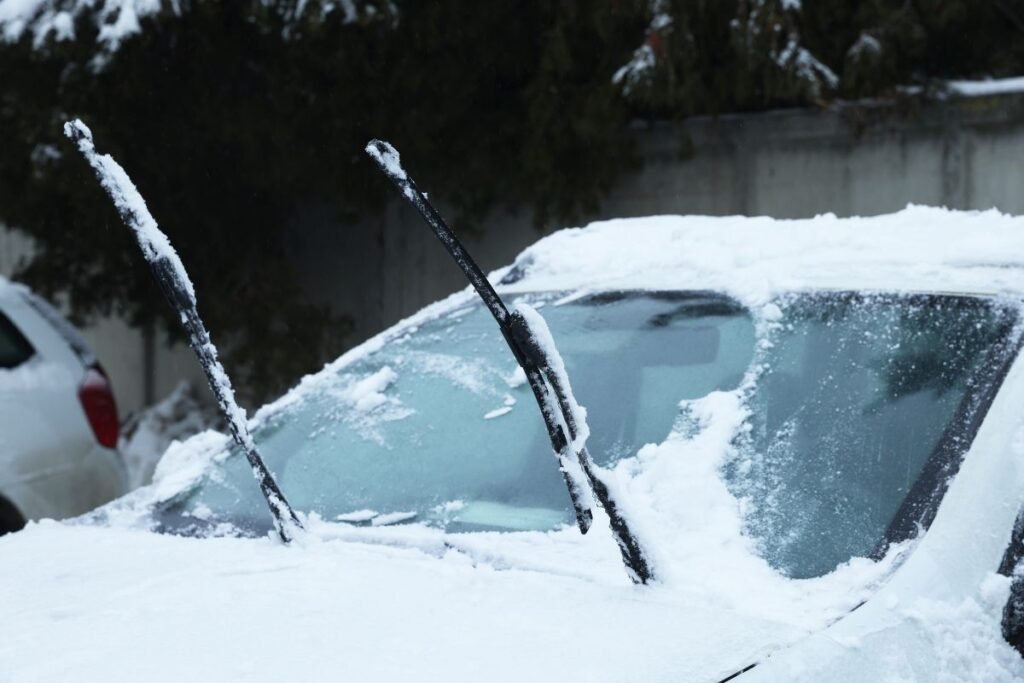
Ice formation on the blades themselves can cause tears and deformation when the wipers are activated on a frozen windshield.
Snow and ice accumulation in the wiper mechanism can put additional strain on both the blades and the motor system.
Traditional frame-style wipers are particularly vulnerable to ice buildup in their joints and hinges, which can cause uneven pressure distribution and premature wear.
Modern flat-blade designs, such as those offered by manufacturers like Ridex, provide improved winter performance by eliminating the exposed frame structure where ice typically accumulates.
These beam-style blades maintain more consistent pressure across their entire length, reducing wear patterns common in extreme cold.
Rain and Moisture Impact
While rain is the primary condition wiper blades are designed to handle, prolonged exposure to moisture can accelerate wear through several mechanisms.
Constant flexing during extended rain periods gradually fatigues the rubber, while acidic precipitation can chemically attack the blade material.
Heavy downpours require maximum blade flexibility and contact pressure, putting stress on the entire wiper system.
Blades that have already begun to deteriorate will show rapid decline in performance during intense rain events, often developing chattering, skipping, or streaking that compromises visibility.
Regional Climate Considerations
Different geographic regions present unique combinations of weather challenges that affect replacement schedules.
According to AUTODOC Blog, “Manufacturers typically recommend replacing the rubber blades once every 6 to 12 months. However, this will depend on factors such as usage and weather conditions.”
Desert climates with intense UV exposure and extreme heat cycles may require more frequent replacement, typically every 6-8 months.
Coastal areas with high humidity and salt exposure can accelerate corrosion of metal components and degradation of rubber seals.
Northern regions with harsh winters may see reduced performance during cold months, necessitating specialized winter blades or more frequent seasonal replacement.
Brand Performance in Various Conditions
Different manufacturers approach weather resistance through various technological solutions.
Bosch, a long-established German manufacturer, has been producing electric windscreen wipers since 1925 and offers multiple product lines optimized for different conditions.
Their AeroTwin flat blades use aerodynamic designs developed in wind tunnels to maintain optimal contact pressure at high speeds, while their specialized rubber compounds resist temperature extremes.
Ridex offers budget-friendly alternatives that provide reliable performance across various weather conditions.
Their beam-style blades eliminate traditional frame components that can collect ice and debris, making them particularly suitable for winter driving.
While more affordable than premium options, Ridex blades still incorporate modern design principles that improve durability compared to basic replacement options.
According to BUYCARPARTS Mercedes wiper blades are designed to provide optimal performance and durability in various weather conditions.
Premium vehicle manufacturers often specify blades with enhanced materials and precise engineering tolerances that deliver superior longevity and performance.
Maintenance Strategies for Weather Protection
Proper maintenance can significantly extend wiper blade life regardless of weather conditions.
Regular cleaning removes accumulated dirt, road debris, and tree sap that can accelerate wear.
Using appropriate windshield washer fluid helps lubricate the blade-to-glass interface, reducing friction and heat buildup during operation.
Parking in shade whenever possible protects blades from UV damage, while covering the windshield during extended parking in extreme heat or cold can reduce thermal stress.
Avoiding operation on dry windshields prevents unnecessary wear, while clearing ice and snow manually before activating wipers prevents damage from frozen accumulation.
Weather-Specific Replacement Guidelines
| Weather Condition | Primary Wear Factors | Typical Lifespan | Warning Signs |
| Extreme Heat (35°C+) | UV degradation, rubber hardening | 6-8 months | Cracking, reduced flexibility |
| Severe Cold (-10°C or below) | Brittleness, ice damage | 8-10 months | Chattering, poor contact |
| High Rainfall Areas | Fatigue from constant use | 10-12 months | Streaking, skipping |
| Coastal/High Humidity | Salt corrosion, moisture retention | 8-10 months | Metal corrosion, rubber swelling |
| Mixed Climate | Combined stress factors | 6-12 months | Variable performance issues |
Advanced Blade Technologies
Modern wiper blade technology continues to evolve in response to varying weather challenges.
Silicone blades offer superior longevity in extreme temperatures, lasting up to twice as long as conventional rubber alternatives.
These advanced materials maintain flexibility across wider temperature ranges and often include water-repellent coatings that improve visibility during light rain.
Heated wiper blades represent the latest innovation for extreme winter conditions, incorporating electrical heating elements that prevent ice formation and maintain optimal performance in sub-zero temperatures.
While more expensive than conventional options, these specialized blades can provide significant safety benefits in harsh winter climates.
Conclusion
Weather conditions play a crucial role in determining wiper blade lifespan and performance.
Understanding the specific challenges posed by your local climate enables informed decisions about blade selection, maintenance schedules, and replacement timing.
While extreme conditions may require more frequent replacement, proper care and high-quality blade selection can maximize performance and value regardless of weather challenges.
Regular inspection and proactive replacement ensure optimal visibility when it matters most.
Whether facing scorching heat, freezing cold, or persistent rain, maintaining effective wiper blades remains one of the most important yet often overlooked aspects of vehicle safety maintenance.
Frequently Asked Questions
Q1: How does extreme heat affect wiper blades?
A1: Heat and UV rays dry out and crack the rubber, reducing flexibility and effectiveness.
Q2: What issues do wiper blades face in winter?
A2: Cold makes rubber brittle, and ice buildup can tear or deform the blades.
Q3: How does rain or humidity impact wiper blade lifespan?
A3: Constant use wears out the rubber, while moisture and salt can cause corrosion.
Q4: How can you extend the life of wiper blades?
A4: Clean them regularly, use washer fluid, park in shade, and avoid using them on dry or icy glass.
Sources Used for the Article
Primary Automotive Industry Sources
- WindshieldWipers.net – “How Long Do Windshield Wipers Last? Signs to Watch For”
- Information on weather impact factors and average lifespan data
- Details on hot and cold weather effects on rubber materials
- AutoZone – “How Long Do Windshield Wiper Blades Last? Here’s How Often to Replace Them”
- UV radiation effects and desert climate considerations
- Maintenance recommendations and performance factors
- AUTODOC Blog – Multiple articles including:
- “What Size Wiper Blades for My Car: Choosing the Right Windscreen Wiper Blades”
- “Which Bosch wiper blade is the best: from AeroTwin to Twin Spoiler”
- Manufacturer replacement recommendations and technical specifications
- Road & Track – “Clear Your View with the Best Windshield Wiper Blades for 2025”
- Advanced blade technology information and silicone blade performance data
- Car and Driver – “We Tested the Top Wiper Blades on the Market to Find the Best”
- Brand performance comparisons and testing methodology
Manufacturer and Technical Sources
- RIDEX Official Website – Wiper blade specifications and product information
- Technical details on beam blade design and winter performance
- Wipertech Help Centre – “Longevity of wiper blades”
- Australian automotive club recommendations and UV exposure data
- TRICO Products – “Four Signs You Should Replace Your Wiper Blades”
- Technical information on blade failure modes and temperature effects
Automotive Parts Retailers:
- BUYCARPARTS.co.uk – Mercedes wiper blade specifications and performance data
- NuVision Auto Glass – “How Long Do Windshield Wipers Last?”
- Environmental factors and replacement scheduling information
Expert Reviews and Testing:
- Hagerty UK – “Reviewed and Rated: The best wiper blades for your car”
- Professional testing results comparing Bosch, Halfords, and Michelin products
- BobIsTheOilGuy Forum – Community discussions on wiper blade shelf life and storage conditions