jack
jack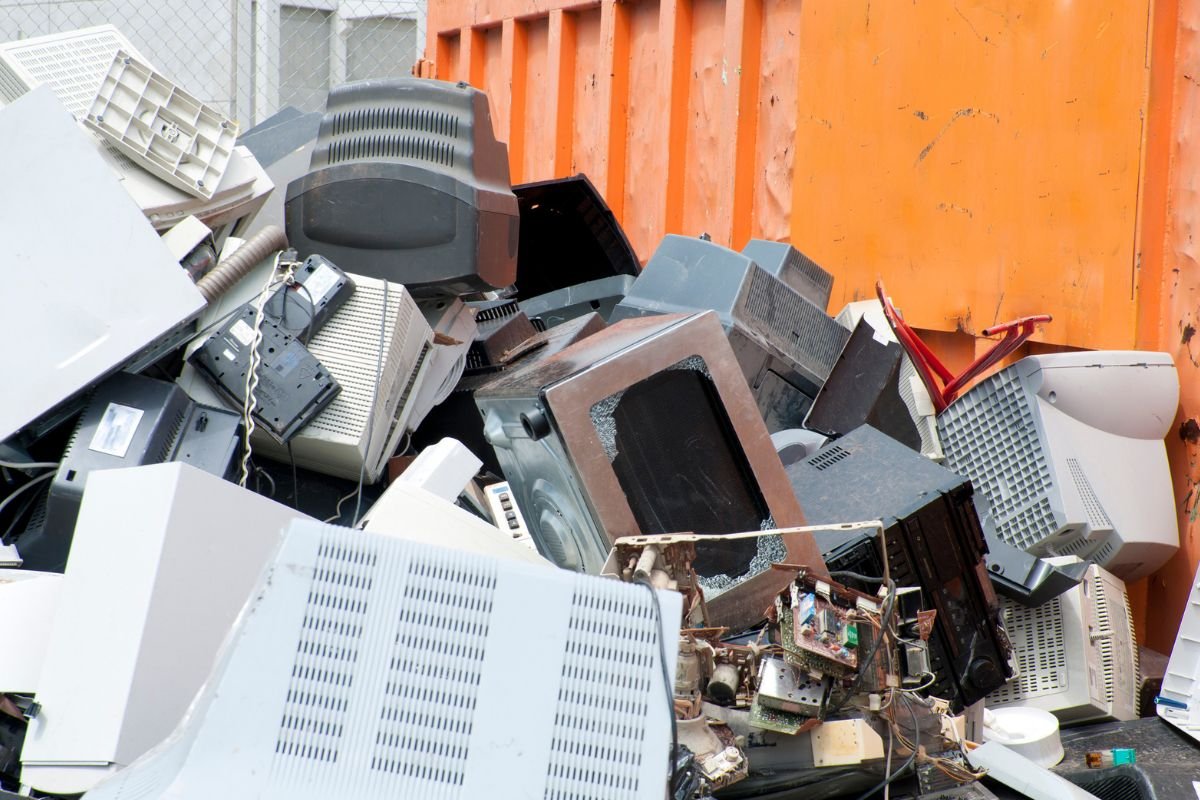
There is a quiet crisis building in the UK, and most people have no idea it is happening.
It is the growing mountain of electronic waste generated by British businesses and households every single year.
The UK is one of the largest producers of e-waste per capita in the world. We generate approximately 1.5 million tonnes of it annually — discarded laptops, old servers, broken monitors, retired office equipment, and the countless gadgets that seemed essential eighteen months ago and now sit forgotten in cupboards across the country.
The problem is accelerating faster than our ability to deal with it.
The Numbers Tell a Grim Story
According to the Global E-Waste Monitor, the world produced over 62 million tonnes of electronic waste in 2022, and that figure is projected to reach 82 million tonnes by 2030.
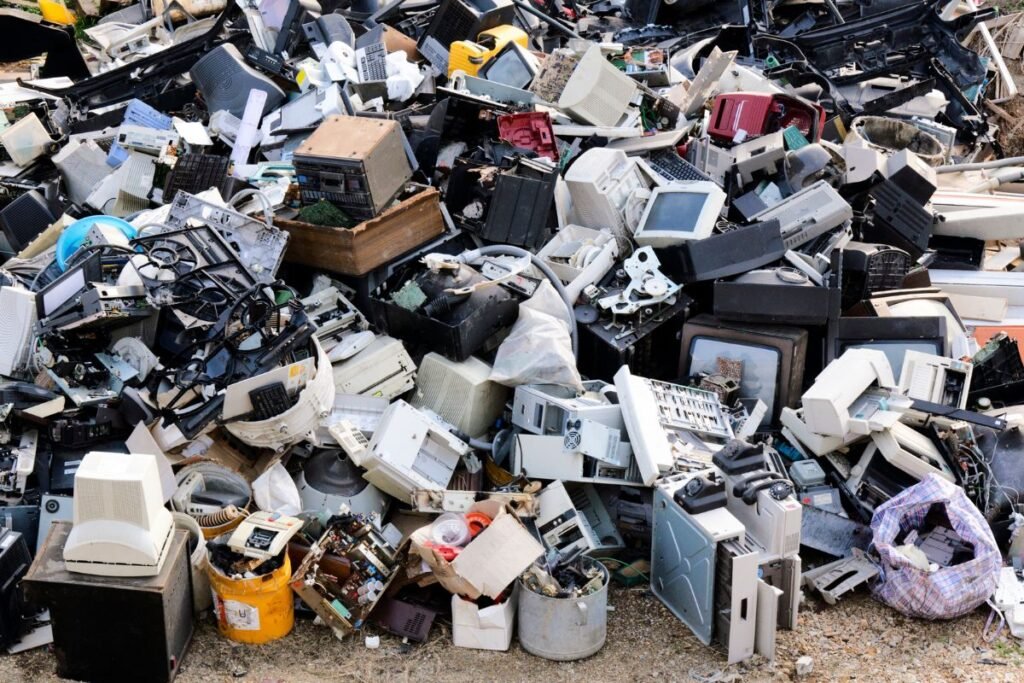
The UK’s contribution to that total is disproportionately large for a country of our size. We consume technology voraciously, replace it frequently, and dispose of it poorly.
Only around 20 percent of global e-waste is formally collected and recycled through proper channels.
The rest is hoarded, dumped in general waste, or exported — often illegally — to developing nations where it is broken down by hand in dangerous conditions.
Circuit boards burned in open fires to extract copper. Acid baths used to leach gold from processors. Lead, mercury, and cadmium leaching into soil and groundwater.
The UK has been implicated repeatedly in the illegal export of e-waste to West Africa and Southeast Asia.
Containers marked as “second-hand goods” have been intercepted carrying non-functional equipment destined for informal recycling operations.
It is a stain on our environmental record that receives remarkably little public attention.
Why Is It Getting Worse?
Several factors are driving the growth of Britain’s e-waste problem simultaneously.
First, technology refresh cycles are getting shorter. Businesses that once replaced their IT infrastructure every five to seven years now do so every three to four.
The pace of innovation in cloud computing, artificial intelligence, and cybersecurity means that hardware becomes functionally obsolete faster than ever, even when it is still physically operational.
Second, the sheer volume of connected devices has exploded. The average UK household now contains dozens of items with circuit boards and batteries — from smart speakers and fitness trackers to wireless doorbells and electric toothbrushes. Each one has a limited lifespan and limited recyclability.
Third, and perhaps most critically, there is a lack of public awareness about what e-waste actually is and how it should be handled.
Most people know they should not throw a television in a skip. Far fewer realise that the same principle applies to an old router, a broken tablet, or a bag of tangled charging cables.
The Business Blind Spot
While household e-waste gets some attention, the larger problem sits on the commercial side.
Businesses across the UK are responsible for the vast majority of IT hardware entering the waste stream — servers, desktop computers, networking equipment, monitors, printers, and storage devices.
When a company upgrades its systems, it can generate tonnes of electronic waste in a single project.
The WEEE Regulations and UK GDPR are clear about obligations — e-waste must go through approved channels, and data must be destroyed to a verifiable standard. Yet compliance is patchy.
Smaller businesses often lack the knowledge or resources to handle IT disposal properly.
Equipment gets stored indefinitely, handed to unapproved waste carriers, or simply binned. The result is data security risk layered on top of environmental harm.
What Good Looks Like
The solution is not mysterious. The UK already has companies with the infrastructure, certifications, and expertise to handle e-waste responsibly at scale. The challenge is making sure businesses and individuals actually use them.
Responsible computer recycling follows a clear process. Equipment is collected — many providers offer free nationwide pickup.
Data-bearing devices undergo certified erasure using tools like Blancco, producing an auditable destruction certificate for every drive.
Hardware is assessed for refurbishment and resale where possible. What cannot be reused is dismantled for material recovery — the gold, copper, aluminium, and rare earth elements that make modern electronics function.
Companies like PYCO RENEW operate this model end to end across the UK, with a zero-landfill guarantee that ensures nothing they collect ends up in the ground.
This kind of service already exists. The question is why more businesses are not using it.
What Needs to Change
Three things would make a material difference to Britain’s e-waste trajectory.
Stronger enforcement of existing regulations. The WEEE Regulations have been in place for years, but enforcement remains inconsistent. The Environment Agency needs the resources to pursue non-compliant businesses and illegal exporters. Fines need to reflect the seriousness of the harm.
A national awareness campaign. The UK has changed public behaviour on drink-driving, smoking, and plastic bag use through sustained public information campaigns. E-waste deserves the same treatment. Most people want to do the right thing — they just do not know what the right thing is when it comes to old electronics.
Mandatory reporting for business IT disposal. Large organisations should be required to report on the volume and destination of their retired IT hardware as part of annual environmental disclosures. Transparency drives accountability, and scrutiny raises standards.
The Circular Economy Is Not Optional
The materials inside electronic devices are finite. Many of the minerals used in modern computing — cobalt, lithium, tantalum, rare earth elements — are extracted at enormous environmental and human cost, often from regions with poor labour protections.
Every device that gets properly recycled reduces the pressure on those supply chains.
Britain has the opportunity to lead on this. We have the regulatory framework, the recycling infrastructure, and the technical expertise.
What we lack is urgency. The e-waste problem is not going to solve itself, and it is not going to wait while we get around to paying attention.
The good news is that the tools are already in our hands. The question is whether we have the collective will to use them before the problem becomes unmanageable. On current trends, that window is closing faster than most people realise.