jack
jack
Many people don’t think seriously about their financial situation and resilience until something forces them to.
With the cost-of-living crisis affecting household budgets for some time now, the gap between coping and struggling has narrowed for millions of families.
In truth, financial security grows gradually from everyday decisions that feel small.
Getting these sorts of foundations right won’t make your money worries disappear overnight, but it does mean your finances won’t immediately unravel in tough or unexpected times.
1. An Emergency Fund
An emergency fund is one of the most important financial safety nets people can have. Financial advisers suggest keeping between three and six months’ worth of essential outgoings aside.
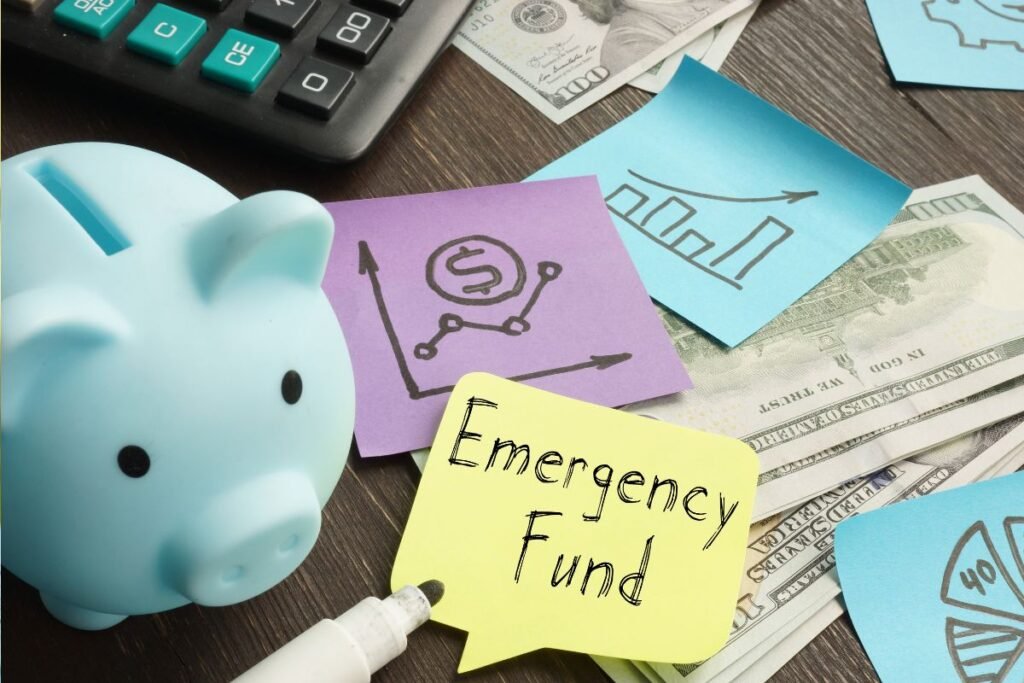
Make sure the amount can comfortably cover things such as rent or mortgages, utilities, food and any minimum debt repayments you might have.
If that figure feels daunting, start small and gradually build your funds to the desired amount. Work out your total monthly essentials, then open an easy-access savings account and set up an automatic transfer on payday, even if it’s just £50 a month.
Over months and years, the pot will grow, as does your ability to absorb a redundancy or a broken boiler.
2. Insurance That Protects Your Income and Family
No emergency fund lasts forever, and that’s where insurance can step in. There are a number of different policies that could come in handy in the event of an emergency or accident.
One being income protection insurance, which pays you a regular monthly sum if illness or injury stops you from working.
A good policy can replace a large part of your salary for years if necessary, giving you breathing room while you recover and alleviating you of stress or pressure.
Life insurance serves a different but important purpose. If you have anyone who depends on you, it makes sure they won’t face financial hardship on top of grief in the event of your death.
The right level of cover depends on things like your mortgage balance and your income.
Critical illness cover is worth considering, too, especially if you have little ones to look after.
This sort of policy pays a lump sum on diagnosis of serious conditions such as cancer, heart attack or stroke, which can help with medical costs.

3. A Credit Buffer
A buffer shouldn’t encourage you to borrow; it’s about having access to affordable credit before you desperately need it, so you’re not forced into high-cost options like payday loans, which can result in debt in the long-run.
A 0% purchase credit card with a reasonable limit offers a short-term bridge in a genuine crisis. Similarly, a pre-arranged overdraft facility on your current account can act as a last-minute resort.
When it comes to exploring options, having a good credit score will help you massively and give you more options, should you need them.
4. Long-Term Savings You Don’t Touch Easily
The final layer is long-term wealth. This is money you put away for your future self, whether that’s for your retirement, a child’s education, or simply the freedom to make choices later in life without constraints.
A Stocks and Shares ISA is one of the most efficient options, allowing you to invest up to £20,000 per tax year with any growth or income completely free from tax.
If you’re employed, your workplace pension is equally powerful, particularly if your employer matches contributions.
Check to see what you currently pay into your pension pot and see if you can up it. You may decide you can justify sacrificing a higher percentage of your salary, and taking home slightly less in terms of monthly income if it means you can live more comfortably after retirement.
These savings work because time in the market matters more than timing the market, and structural barriers like pension access ages protect you from self-raiding the pot in a difficult month.
Building all four of these safety nets naturally takes time, and there’s no shame in starting with just one to focus on at a time.
The important thing is that each layer you add makes the next financial shock easier to absorb, whether it’s a stint of unemployment, an accident, or simply a broken dishwasher.